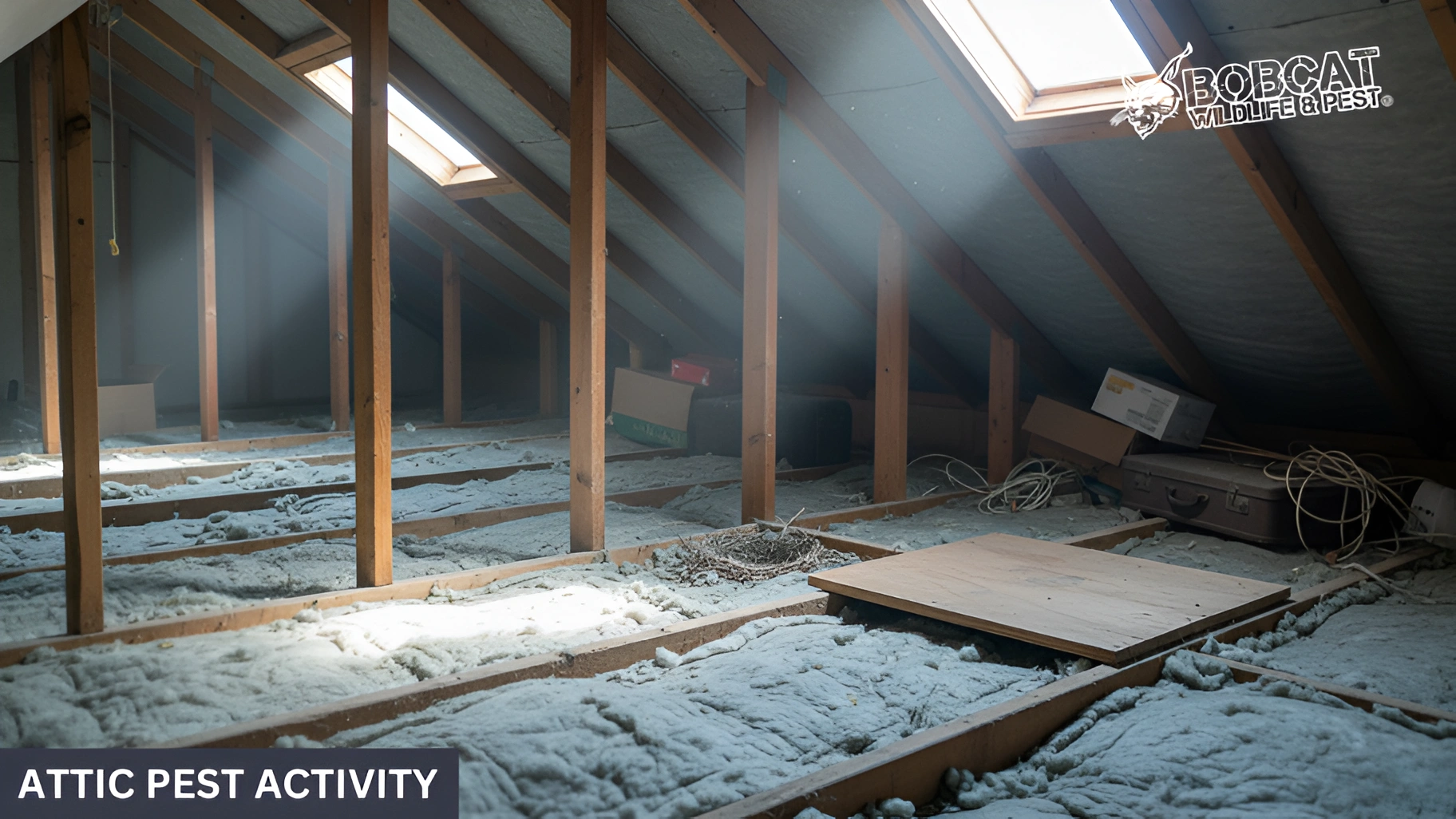
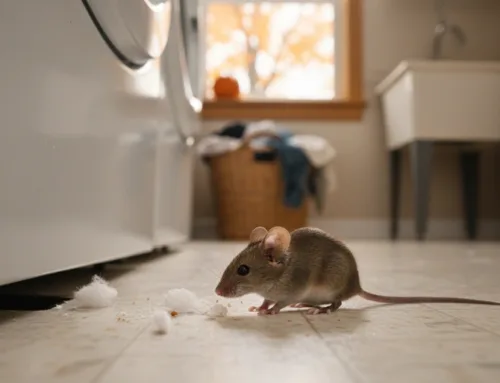
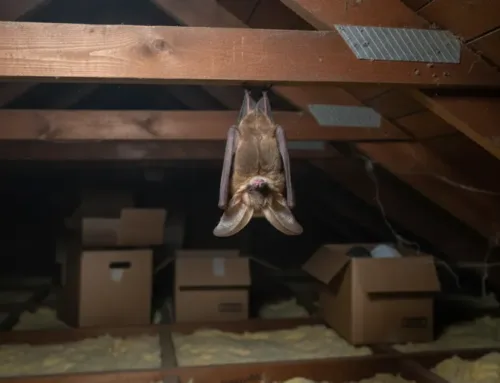
Pests in attic before spring are common in Iowa City because late-winter temperature swings drive insects and wildlife to seek steady warmth and shelter.
Attics warm up faster than living areas on sunny winter days, making them a prime spot for nesting and movement before spring arrives.
According to Derek Brownmiller, branch operator for Bobcat Wildlife & Pest Management in Iowa City, this early attic activity often begins weeks before spring and is a frequent issue in local homes.
This guide explains why it happens, which pests are involved, the signs to watch for, and when early action can help prevent larger problems as the season changes.
What You’ll Learn in This Guide:
Is It Normal to See Attic Pests Before Spring in Iowa City?
Yes. Pre-spring attic activity is common in Iowa City, even in homes that are clean, well-maintained, and recently inspected.
In many cases, the issue is tied to seasonal stress points around the home rather than neglect or sanitation problems:
Winter expansion and contraction can loosen seal points around vents, rooflines, and utility penetrations
Snow buildup and ice dams may redirect meltwater toward vulnerable attic edges
These subtle changes create temporary access points that are not visible during normal exterior checks
Once late-winter temperatures fluctuate, pests begin moving earlier than most homeowners expect and locate these openings.
This is why the issue shows up just as often in newer or recently renovated homes as it does in older ones.
Derek Brownmiller notes that many Iowa City homeowners are surprised by pre-spring attic activity because there are no obvious warning signs outside the home.
From his experience, these situations are usually caused by brief seasonal vulnerabilities combined with increased pest movement, not long-term structural problems.
What Pests Are Commonly Found in Attics Before Spring?
When attic activity shows up before spring, the type of pest involved often determines whether the issue is temporary movement or the early stages of a larger problem.
Each pest uses attic space differently during late winter. Understanding those patterns can help homeowners better interpret what they are noticing overhead.
Ants rarely treat attics as a final destination, but they frequently use them as a transition zone before spring.
Why this happens:
Insulation provides residual warmth without disruption
Attic framing allows ants to travel above living spaces undetected
Small moisture sources near vents or roof seams can support short-term activity
Why this matters:
Pre-spring ant activity in the attic often precedes indoor ant problems. Once temperatures stabilize, that same movement can shift downward into kitchens, walls, or pantries.
Spiders enter attics for protection rather than expansion.
What spider activity usually signals:
Insects are already active in or near the attic
The space offers stable temperatures and minimal disturbance
Spiders are using the attic as a hunting zone, not a nesting site
For this reason, spiders are best viewed as a signal that other insects are present, rather than the primary concern themselves.
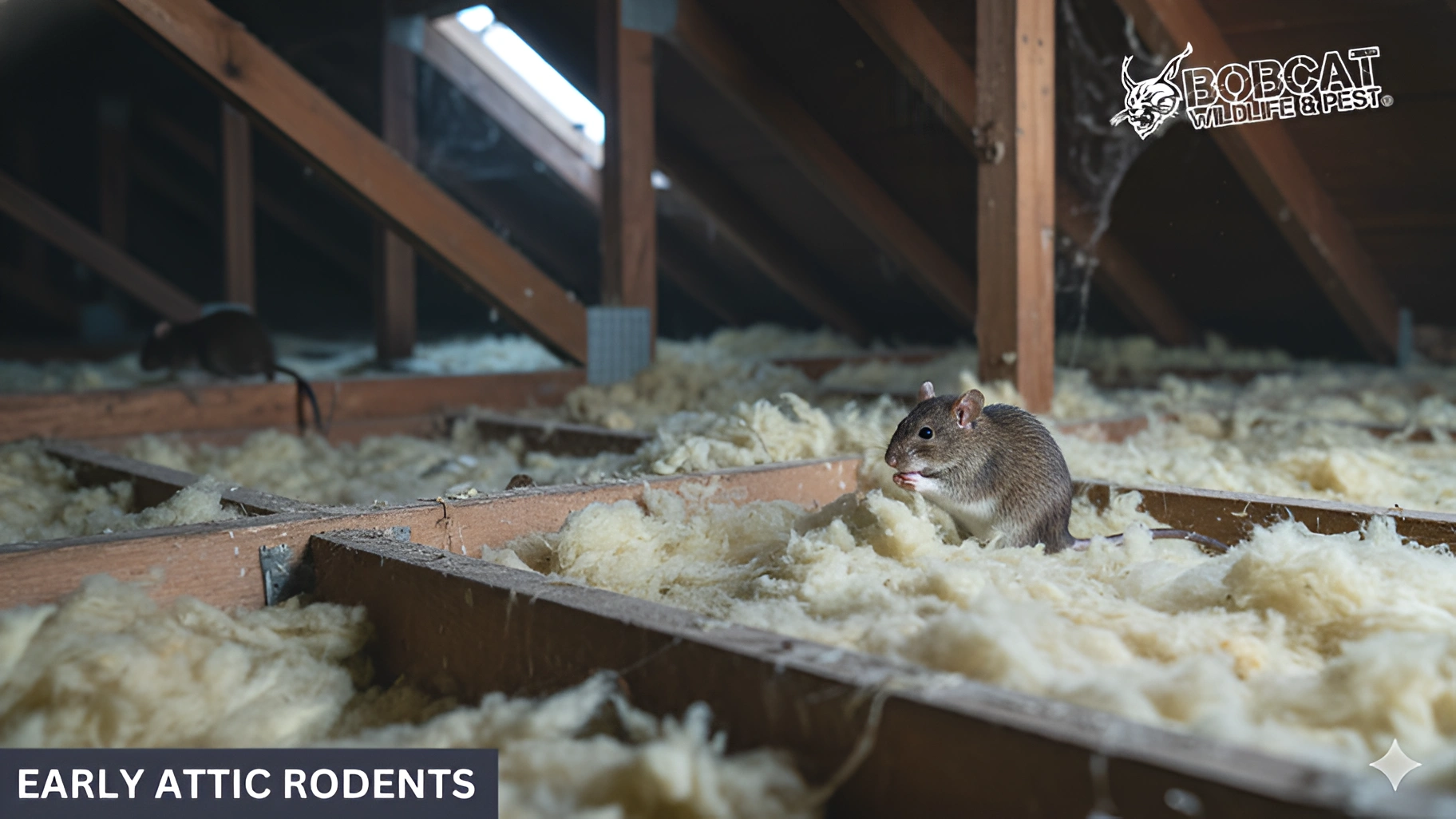
Rodents and small wildlife are usually detected by sound, but timing and repetition matter more than volume.
Patterns homeowners commonly report:
Light but frequent movement along insulation paths
Activity concentrated in one section of the attic
Occasional heavier sounds near rooflines or exterior access points
Activity often increases before spring as animals adjust to changing temperatures and begin establishing nesting areas.
Derek Brownmiller explains that attic pests are often misidentified based on noise alone.
From his experience, repeated light movement can indicate ongoing activity, while occasional louder sounds may reflect brief pass-through behavior rather than a long-term presence.
Signs You May Have Pests in the Attic
Once you understand which pests are commonly active in attics before spring, the next step is recognizing the signs homeowners typically notice during everyday life.
Most people never see attic pests directly. Instead, they notice small, repeated changes that do not feel normal for their home.
Here are some of the most common signs Iowa City homeowners report when they start wondering if there are critters in the attic:
Scratching or movement sounds
Light scratching, rustling, or scurrying sounds are often more meaningful than loud, one-time noises. When movement repeats in the same general area, especially at night or early morning, it usually points to ongoing activity rather than normal house settling.
Droppings or nesting material
Small droppings, shredded insulation, or paper-like debris near attic access points suggest something is spending time there. These signs typically indicate repeated use of the space, not a brief pass-through.
Insects appearing indoors without a clear source
Ants or spiders showing up inside living areas can sometimes be a downstream effect of attic activity. In many cases, the attic acts as a transition space before pests move deeper into the home.
Changes in insulation appearance
Insulation that appears flattened, uneven, or disturbed near corners or common pathways often points to repeated movement over time. These changes tend to develop gradually rather than all at once.
Unusual pet behavior
Pets often react to attic activity before people do. Repeated staring at ceilings, alert behavior in specific rooms, or reacting to the same area over and over can be an early warning sign.
One sign on its own does not always indicate a problem. What typically raises concern is consistency.
When the same sounds, debris, sightings, or behaviors continue in the same locations, it often means attic activity is established rather than incidental.
How Do Pests Get Into Attics in Iowa City Homes?
Once homeowners begin noticing consistent signs of attic activity, the next question is usually how pests are getting inside at all.
In most cases, attic pests enter through small, hidden access points that develop gradually. These openings are easy to overlook and often form in places homeowners rarely see up close.
Here are the most common entry paths in Iowa City homes, and why they often go unnoticed:
Roofline and edge gaps
Small separations can develop where shingles, fascia boards, and siding meet. These areas are difficult to inspect from the ground, but even narrow gaps can provide direct access into attic spaces.
Vents and soffit areas
Attic, bathroom, and dryer vents are built for airflow, not pest prevention. Over time, vent screens can loosen or soffit panels can shift slightly, creating openings that are just large enough for pests to squeeze through.
Utility and service penetrations
Pipes, cables, and wiring that pass through exterior walls or roof decking often leave tight gaps around them. Pests naturally follow these lines because they lead straight into warm, protected areas of the home.
Seasonal wear from Iowa weather
In Iowa City, repeated freeze-and-thaw cycles cause building materials to expand and contract throughout the winter. This slow movement can widen seams and joints without creating obvious damage, which is why these access points often go unnoticed.
What makes these entry points challenging is that they rarely look like clear damage.
Most homeowners only become aware of them after attic activity becomes consistent, not when the openings first appear.
This is why pests in attic spaces are common even in homes that are well maintained and regularly inspected.
Why Waiting Until Spring Often Makes Attic Pest Problems Worse
Once attic activity becomes noticeable, it is natural to consider waiting until spring to see if the problem resolves on its own. In many cases, that delay gives pests more time to settle in and expand their use of the space.
With attic pests, time usually works in favor of the animals or insects, not the homeowner.
Here is what tends to happen when early attic activity is left unaddressed.
What is safe and helpful right now
These steps can help homeowners stay informed without unintentionally making the situation worse:
Limit checks to basic observation only
If it is safe and well lit, look from the attic access opening rather than entering the space. Focus on patterns like disturbed insulation or repeated debris, not a full inspection.
Pay attention to consistency
Ongoing noises in the same area or signs that appear repeatedly matter far more than a single sound or isolated sighting.
Keep the attic undisturbed
Minimizing traffic and disruption reduces the chance of pests relocating into wall cavities or other hidden parts of the home.
What often leads to more damage later
These actions are common and well-intentioned, but they often complicate attic pest situations:
Disturbing insulation, droppings, or nesting material
This can spread contaminants and break up nesting areas in a way that causes pests to scatter deeper into the structure.
Sealing openings before understanding the problem
Closing gaps too early can trap pests inside the attic and force them into living areas as they search for an exit.
Using traps or sprays without proper identification
DIY products rarely resolve attic activity and often cause pests to shift locations rather than leave, increasing overall disruption.
Derek Brownmiller often sees attic issues become harder to resolve after homeowners attempt fixes without knowing exactly what they are dealing with.
In many cases, the safest and most effective approach is limiting interference until the situation can be properly assessed. That helps protect the structure of the home and the people living inside it.
How Professional Attic Pest Control Helps Before Spring
Once homeowners decide not to disturb attic activity on their own, professional attic pest control becomes focused on control and prevention, not just removal.
The difference lies in how the work is approached and the order in which each step is handled.
Here is how professional attic pest control helps keep small issues from escalating as spring approaches.
1. Inspection and accurate identification
The first step is confirming what is actually causing the activity before any action is taken.
- Identifies the specific pest involved, not just the noise or visible sign
- Differentiates between insects, rodents, and wildlife that can sound similar in attic spaces
- Prevents the use of incorrect treatments that often make the situation worse
This step removes much of the uncertainty homeowners face when trying to diagnose attic activity on their own.
2. Targeted pest removal from attic spaces
Once the pest is identified, pest removal from attic areas is handled in a way that limits movement into walls or living spaces.
- Removal methods are chosen based on pest behavior, not convenience
- Activity is addressed at the source rather than pushed elsewhere
- Solutions are adjusted for ants, spiders, rodents, or wildlife instead of using a one-size approach
This is where professional experience plays the biggest role in preventing spread or escalation.
3. Entry point sealing done at the right time
Sealing is most effective only after attic activity is under control.
- Entry points are addressed once removal is complete
- Helps prevent trapping pests inside the home
- Reduces the chance of repeat attic activity as temperatures rise
Timing matters here, and this is often where DIY attempts fall short.
4. Prevention planning for the season ahead
Professional attic pest control does not end with removal.
- Identifies conditions that could attract pests again
- Recommends attic pest-proofing where needed
- May include ongoing residential pest control to reduce future activity
At Bobcat, this process supports services such as ant control, spider control, rodent removal, and wildlife removal, all aimed at preventing minor attic issues from turning into full spring infestations.
Why this approach works better than quick fixes
Derek Brownmiller often sees attic problems become more difficult when steps are rushed or handled out of order.
From his experience, careful inspection, targeted removal, and well-timed prevention keep attic pest issues more manageable and reduce the likelihood of repeat problems over the long term.
When It’s Time to Call a Professional
After understanding how professional attic pest control works, the remaining question is when continued observation stops being helpful.
In practice, there are a few clear indicators that monitoring alone is no longer productive and that pest removal from attic spaces is best handled by a professional.
These signals are less about sudden urgency and more about pattern and persistence.
Ongoing noises in the same locations
Isolated sounds can happen for many reasons, but repeated movement coming from the same section of the attic usually points to established activity rather than a one-time disturbance.
Repeated indoor pest sightings
When ants, spiders, or other pests continue appearing indoors over time, even after basic monitoring, it often suggests the attic is serving as an active staging area rather than a temporary pass-through.
Visible changes that do not correct themselves
Insulation that remains compressed, or vents and soffits that show continued disturbance, typically indicate activity that is not resolving on its own.
Health or safety concerns
The presence of droppings, persistent odors, or concerns about contamination, allergies, or accidental contact are strong signs that a professional evaluation is the safer next step.
What professionals look for in these situations is consistency.
Derek Brownmiller explains that once clear patterns form, attic activity rarely corrects itself without intervention. Addressing the issue at that stage is often simpler and less disruptive than waiting for conditions to escalate.
Working with a local team like Bobcat Wildlife & Pest Management in Iowa City allows homeowners to move forward with clarity, knowing what is happening and which steps actually make sense next.
The goal is not to rush action, but to step in once the situation has clearly moved from observation into resolution.
FAQs: Pests in the Attic Before Spring
Yes. In Iowa City, attic activity before spring is very common because late winter brings fluctuating temperatures that disrupt outdoor nesting areas.
Attics provide consistent warmth, protection from moisture, and minimal disturbance, which makes them a logical temporary shelter.
This pattern happens every year and affects both older homes and newer construction.
Late winter is unstable for pests.
Snow cover shifts, freeze-thaw cycles break down outdoor shelters, and food sources become harder to access.
Attics offer a controlled environment where temperatures stay more consistent, making them safer than garages, crawlspaces, or outdoor hiding spots during this transition period.
In Iowa City, the most common attic pests before spring include ants, spiders, rodents, and small wildlife.
Insects often use attics as staging areas, while rodents and wildlife may use them for nesting or movement.
Identifying which type is present matters because each behaves differently and requires a different approach.
Normal house noises tend to be random, brief, and inconsistent.
Critter activity usually follows patterns, such as movement in the same location, sounds that repeat nightly, or activity that increases over time.
The key difference is consistency rather than volume.
Sometimes activity changes, but many pests remain once they have found a stable shelter.
If access points are still available or nesting has started, pests often stay well into spring and summer.
Waiting rarely guarantees resolution and can allow the issue to become more established.
Yes. Damage often happens entirely out of sight.
Pests can compress insulation, contaminate attic materials, damage venting, or widen access points without ever entering living spaces.
By the time indoor signs appear, attic damage has often already progressed.
They can be. Droppings, nesting materials, and insect debris can contribute to odors, allergens, and contamination.
In some cases, pets are exposed first through air circulation or attic access points, which is why early assessment is important.
Repeated scratching, light scurrying, or consistent movement in one area are more telling than loud, isolated noises.
Sounds that follow a schedule, such as late night or early morning activity, often indicate ongoing use of the attic rather than a one-time disturbance.
Yes, though often temporarily. Ants and spiders use attic insulation for warmth, concealment, and movement above living spaces.
While they may not nest there long term, attic activity often precedes indoor sightings once temperatures stabilize.
Most pests enter through small openings around rooflines, vents, soffits, or utility penetrations.
These gaps often form gradually due to seasonal expansion and contraction of building materials, making them difficult to detect during routine exterior checks.
Basic observation from the attic access point can be safe if lighting and footing are secure.
However, entering the attic or disturbing insulation can increase exposure risks and cause pests to relocate deeper into the structure, making professional assessment the safer option in many cases.
Avoid disturbing nests, moving insulation, sealing openings too early, or using traps and sprays without proper identification.
These actions often push pests into walls or living spaces and complicate removal later.
Delaying action allows pests time to settle, expand activity, or establish nesting areas.
Once patterns are established, issues are typically more involved to resolve and may require more extensive repair or exclusion work.
Yes. Attics often act as starting points. When pests are disturbed or seek food and water, they can move into wall cavities, ceilings, or living areas, especially as spring activity increases.
When signs are consistent, activity repeats in the same areas, or health and safety concerns arise, professional evaluation becomes the most practical next step. At that point, guessing often creates more risk than clarity.
Professional attic pest control typically includes inspection, accurate identification, targeted removal, properly timed sealing of entry points, and prevention planning to reduce future activity as seasons change.
Attic pest control focuses on access points, movement behavior, and containment. Unlike surface treatments, the goal is to address the source without driving pests deeper into the structure.
Yes. When removal and exclusion are done correctly, attic pest control significantly reduces the chances of repeat activity during spring and summer, especially in homes with recurring seasonal vulnerabilities.
Not usually. Sealing without removing active pests can trap them inside or force them into living spaces. Successful resolution requires the right order of steps.
A local provider familiar with Iowa City housing patterns and seasonal attic activity, such as Bobcat Wildlife & Pest Management, can assess the situation and recommend practical next steps based on what is actually happening in your home.
{
"@context": "https://schema.org",
"@type": "FAQPage",
"mainEntity": [
{
"@type": "Question",
"name": "Is it normal to have pests in the attic before spring in Iowa?",
"acceptedAnswer": {
"@type": "Answer",
"text": "Yes. In Iowa City, attic activity before spring is very common because late winter brings fluctuating temperatures that disrupt outdoor nesting areas. Attics provide consistent warmth, protection from moisture, and minimal disturbance, which makes them a logical temporary shelter. This pattern happens every year and affects both older homes and newer construction."
}
},
{
"@type": "Question",
"name": "Why do pests move into attics during late winter instead of staying outside?",
"acceptedAnswer": {
"@type": "Answer",
"text": "Late winter is unstable for pests. Snow cover shifts, freeze-thaw cycles break down outdoor shelters, and food sources become harder to access. Attics offer a controlled environment where temperatures stay more consistent, making them safer than garages, crawlspaces, or outdoor hiding spots during this transition period."
}
},
{
"@type": "Question",
"name": "What are the most common pests found in attics before spring?",
"acceptedAnswer": {
"@type": "Answer",
"text": "In Iowa City, the most common attic pests before spring include ants, spiders, rodents, and small wildlife. Insects often use attics as staging areas, while rodents and wildlife may use them for nesting or movement. Identifying which type is present matters because each behaves differently and requires a different approach."
}
},
{
"@type": "Question",
"name": "How can I tell if I have critters in the attic or just house noises?",
"acceptedAnswer": {
"@type": "Answer",
"text": "Normal house noises tend to be random, brief, and inconsistent. Critter activity usually follows patterns, such as movement in the same location, sounds that repeat nightly, or activity that increases over time. The key difference is consistency rather than volume."
}
},
{
"@type": "Question",
"name": "Do pests in the attic usually go away on their own when spring arrives?",
"acceptedAnswer": {
"@type": "Answer",
"text": "Sometimes activity changes, but many pests remain once they have found a stable shelter. If access points are still available or nesting has started, pests often stay well into spring and summer. Waiting rarely guarantees resolution and can allow the issue to become more established."
}
},
{
"@type": "Question",
"name": "Can pests in the attic cause damage even if I don’t see them inside my home?",
"acceptedAnswer": {
"@type": "Answer",
"text": "Yes. Damage often happens entirely out of sight. Pests can compress insulation, contaminate attic materials, damage venting, or widen access points without ever entering living spaces. By the time indoor signs appear, attic damage has often already progressed."
}
},
{
"@type": "Question",
"name": "Are attic pests a health risk for my family or pets?",
"acceptedAnswer": {
"@type": "Answer",
"text": "They can be. Droppings, nesting materials, and insect debris can contribute to odors, allergens, and contamination. In some cases, pets are exposed first through air circulation or attic access points, which is why early assessment is important."
}
},
{
"@type": "Question",
"name": "What sounds should I listen for if I suspect critters in my attic?",
"acceptedAnswer": {
"@type": "Answer",
"text": "Repeated scratching, light scurrying, or consistent movement in one area are more telling than loud, isolated noises. Sounds that follow a schedule, such as late night or early morning activity, often indicate ongoing use of the attic rather than a one-time disturbance."
}
},
{
"@type": "Question",
"name": "Can ants and spiders really live in attic insulation?",
"acceptedAnswer": {
"@type": "Answer",
"text": "Yes, though often temporarily. Ants and spiders use attic insulation for warmth, concealment, and movement above living spaces. While they may not nest there long term, attic activity often precedes indoor sightings once temperatures stabilize."
}
},
{
"@type": "Question",
"name": "How do pests usually get into attics in Iowa City homes?",
"acceptedAnswer": {
"@type": "Answer",
"text": "Most pests enter through small openings around rooflines, vents, soffits, or utility penetrations. These gaps often form gradually due to seasonal expansion and contraction of building materials, making them difficult to detect during routine exterior checks."
}
},
{
"@type": "Question",
"name": "Is it safe to check my attic myself if I think pests are up there?",
"acceptedAnswer": {
"@type": "Answer",
"text": "Basic observation from the attic access point can be safe if lighting and footing are secure. However, entering the attic or disturbing insulation can increase exposure risks and cause pests to relocate deeper into the structure, making professional assessment the safer option in many cases."
}
},
{
"@type": "Question",
"name": "What should I avoid doing if I think I have critters in my attic?",
"acceptedAnswer": {
"@type": "Answer",
"text": "Avoid disturbing nests, moving insulation, sealing openings too early, or using traps and sprays without proper identification. These actions often push pests into walls or living spaces and complicate removal later."
}
},
{
"@type": "Question",
"name": "Why does waiting until spring often make attic pest problems worse?",
"acceptedAnswer": {
"@type": "Answer",
"text": "Delaying action allows pests time to settle, expand activity, or establish nesting areas. Once patterns are established, issues are typically more involved to resolve and may require more extensive repair or exclusion work."
}
},
{
"@type": "Question",
"name": "Can attic pests spread into walls, kitchens, or living spaces?",
"acceptedAnswer": {
"@type": "Answer",
"text": "Yes. Attics often act as starting points. When pests are disturbed or seek food and water, they can move into wall cavities, ceilings, or living areas, especially as spring activity increases."
}
},
{
"@type": "Question",
"name": "When should I call a professional for pests in the attic?",
"acceptedAnswer": {
"@type": "Answer",
"text": "When signs are consistent, activity repeats in the same areas, or health and safety concerns arise, professional evaluation becomes the most practical next step. At that point, guessing often creates more risk than clarity."
}
},
{
"@type": "Question",
"name": "What does professional attic pest control usually involve?",
"acceptedAnswer": {
"@type": "Answer",
"text": "Professional attic pest control typically includes inspection, accurate identification, targeted removal, properly timed sealing of entry points, and prevention planning to reduce future activity as seasons change."
}
},
{
"@type": "Question",
"name": "How is pest removal from an attic different from regular pest control?",
"acceptedAnswer": {
"@type": "Answer",
"text": "Attic pest control focuses on access points, movement behavior, and containment. Unlike surface treatments, the goal is to address the source without driving pests deeper into the structure."
}
},
{
"@type": "Question",
"name": "Will attic pest control help prevent future infestations?",
"acceptedAnswer": {
"@type": "Answer",
"text": "Yes. When removal and exclusion are done correctly, attic pest control significantly reduces the chances of repeat activity during spring and summer, especially in homes with recurring seasonal vulnerabilities."
}
},
{
"@type": "Question",
"name": "Can sealing entry points alone solve attic pest problems?",
"acceptedAnswer": {
"@type": "Answer",
"text": "Not usually. Sealing without removing active pests can trap them inside or force them into living spaces. Successful resolution requires the right order of steps."
}
},
{
"@type": "Question",
"name": "Who should I call for attic pest control in Iowa City before spring?",
"acceptedAnswer": {
"@type": "Answer",
"text": "A local provider familiar with Iowa City housing patterns and seasonal attic activity, such as Bobcat Wildlife & Pest Management, can assess the situation and recommend practical next steps based on what is actually happening in your home."
}
}
]
}