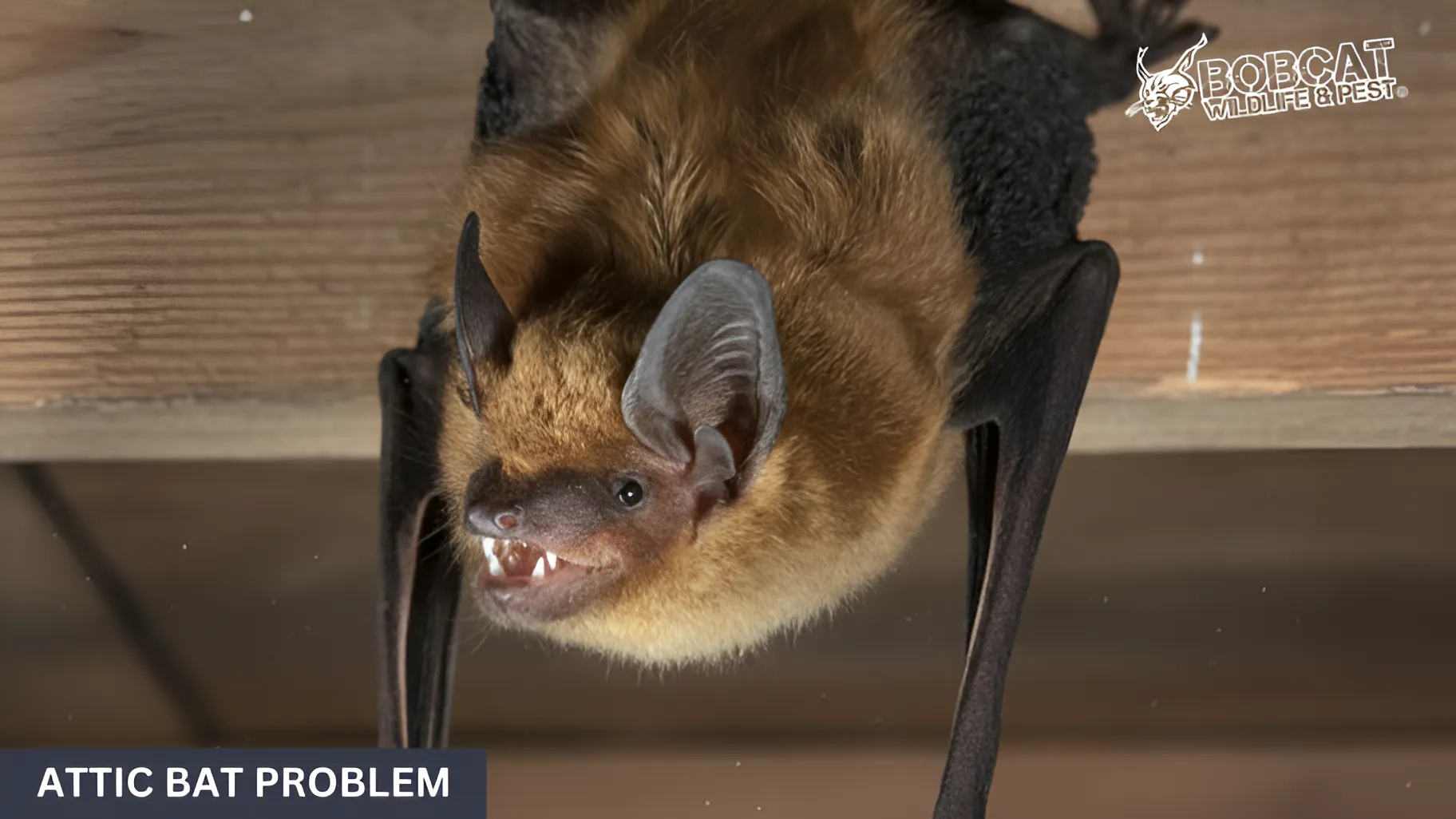
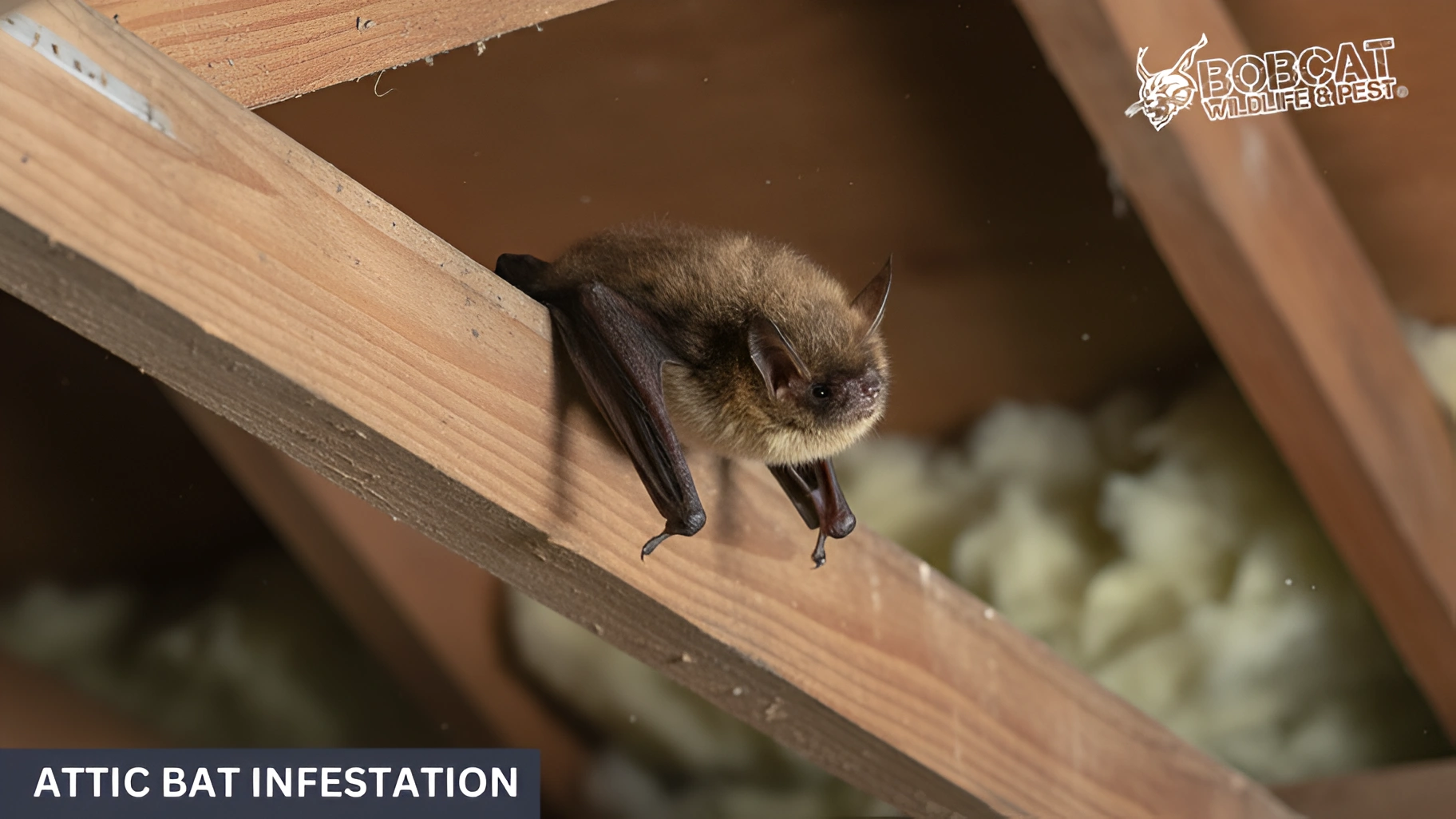
Wondering when you should deal with bats in your home? The best time for bat removal in Iowa City is just before winter’s bat maternity season begins.
Dealing with bats early helps protect your attic, reduces health risks from droppings, and keeps removal legal and humane.
This guide explains why timing matters, what bat maternity season looks like, and how acting before it begins keeps your home safe.
What You’ll Find in This Guide:
What Is Bat Maternity Season, and Why Does It Matter for Your Iowa City Home?
Bat maternity season is when female bats come together to nurse and protect their pups before the young are strong enough to fly.
During this phase, pups rely entirely on their mothers for survival, which makes any kind of removal unsafe — and often restricted by state wildlife regulations.
Here’s why this timing is important for homeowners in Iowa City:
Baby bats can’t fly yet, so sealing entry points too late can trap them inside your attic.
Wildlife rules protect maternity colonies, limiting when professionals can legally remove them.
Waiting too long leads to more activity and more mess, since bats continue using your attic until the pups mature.
By addressing the issue before maternity season begins, you ensure the process stays humane, compliant with Iowa guidelines, and far less stressful for your home.
When Should I Remove Bats? The Best Time for Bat Removal
The best time to remove bats from your Iowa City home is late fall or early spring — the months when bats are active but not yet caring for newborn pups.
During this window, bats are still capable of flying out on their own, making the removal process far safer and more predictable.
Here’s why these seasons work so well:
Exclusion devices work properly, allowing bats to exit without the risk of trapping helpless pups inside.
Colony size is usually smaller, which means a quicker and more efficient removal process.
Damage hasn’t progressed as far, giving you a chance to address insulation issues, droppings, or staining before they expand.
Acting during this ideal timeframe helps you avoid long delays, extra cleanup costs, and the complications that arise once maternity season begins.
If you’re hearing scratching, spotting guano, or noticing unusual attic activity, scheduling removal now is the safest way to protect your home.
Why Bat Exclusion Before Winter Is Crucial for Your Home’s Safety
Once winter approaches in Iowa, bat behavior inside your home changes dramatically.
Cold temperatures push bats to remain inside your attic for longer periods, creating issues that homeowners rarely notice during warmer months.
Here’s what winter can bring to an attic with bats:
Bats burrow deeper into insulation to retain heat, making them harder to locate and more difficult to safely exclude.
Moisture increases quickly, as warm indoor air rises and mixes with cold attic surfaces, causing guano odors to intensify.
Insulation becomes compacted or damp, lowering energy efficiency and forcing your heating system to work harder.
Small gaps expand in cold weather, giving bats more entry points to slip through or hide in.
Indoor sounds become more noticeable, since bats spend more time roosting inside rather than leaving to forage.
Handling the problem before winter settles in prevents these cold-season complications from escalating.
Early exclusion keeps your attic drier, easier to secure, and far less likely to become a long-term refuge for a growing colony.
How Can I Tell If Bats Are in My Attic?
Bats are skilled at staying out of sight, which is why many Iowa City homeowners don’t notice a problem until the signs become harder to ignore.
If you’re unsure whether bats are in your attic, here are the most common clues to watch and listen for:
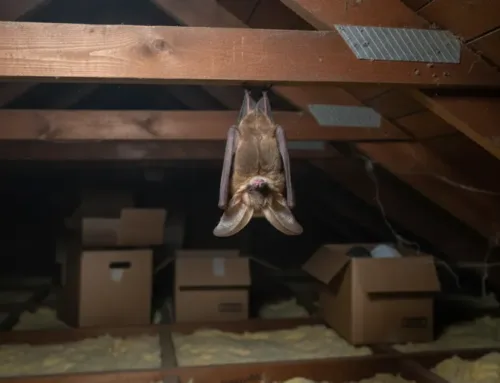
Small piles of guano collecting near beams, insulation, or along attic walls.
A musty or sharp odor that becomes stronger as heat rises and circulates air from the attic into your living space.
Light scratching, chirping, or fluttering sounds, especially around dusk or just before sunrise.
Dark or greasy marks around gaps, caused by the natural oils on bats’ fur as they squeeze in and out.
Unexpected drafts or cool spots, which often point to openings bats are actively using.
If any of these signs sound familiar, getting your attic inspected sooner rather than later is your best move.
Early detection helps keep the removal process straightforward and prevents a small colony from becoming a long-term nuisance inside your home.
How Does the Bat Removal Process Work?
Once you confirm that bats are inside your attic, the next step is understanding how a professional handles the situation safely and humanely.
The process is designed to protect your home, follow Iowa wildlife guidelines, and remove bats without harming them.
Here’s how a typical bat removal service works for Iowa City homeowners:
- 1
Inspection
A trained specialist evaluates your attic, roofline, and siding to identify where bats are roosting and the exact entry points they’re using. This helps create a safe and effective plan tailored to your home.
- 2
Exclusion
Professionals set up specialized devices that allow bats to exit the attic freely, while blocking their ability to re-enter, ensuring a safe and efficient removal process.
This method clears the colony without trapping animals or disturbing their normal behavior.
- 3
Sealing Entry Points
Once the bats have safely exited, every gap, crack, and opening is sealed.
It’s a crucial step for preventing bats from re-entering your home and keeping your attic safeguarded in future seasons.
- 4
Cleanup and Optional Restoration
Some companies offer cleanup for guano, damaged insulation, or contaminated materials. Restoring the attic helps eliminate odors, improve air quality, and protect your home’s energy efficiency.
The entire process is humane, efficient, and most reliable when performed by a professional who understands bat behavior and state regulations.
Using the best time for bat removal ensures everything can be handled properly from start to finish, giving you long-lasting peace of mind.
Why Should I Choose a Professional Bat Removal Service?
Trying to remove bats on your own may seem straightforward, but it can quickly turn into a much bigger problem.
Here’s why working with a specialist matters:
Proper tools and techniques prevent injuries and make sure bats exit the home safely.
Knowledge of Iowa’s removal rules protects you from unintentionally breaking laws tied to maternity season.
Detailed inspections help identify every access point so bats can’t slip back inside later.
Humane exclusion methods keep both your home and the bats safe while restoring your attic to a secure condition.
At Bobcat Wildlife & Pest Management, we rely on proven, humane strategies — including one-way exclusion devices and precise sealing work — to remove bats effectively before maternity season begins.
Choosing a professional service gives you confidence that the job is done correctly, legally, and in a way that keeps your home protected long-term.
What Happens If I Wait Too Long to Remove Bats?
Waiting to address a bat problem may feel harmless at first, but the longer bats remain in your attic, the more difficult and costly the situation can become.
Delaying removal often leads to bigger repairs and a more complicated exclusion process.
Here’s what can happen when bats stay in your attic too long:
- 1
Structural damage increases
Guano, urine, and frequent roosting can spread through insulation and wood, leading to staining, deterioration, and lingering odors.
- 2
Health concerns become more serious
Accumulated droppings can introduce bacteria and strong smells that travel into your living areas as warm air rises.
- 3
Removal gets more challenging
Bats tend to move deeper into tight, hidden spaces, making it harder for professionals to reach them safely.
- 4
Cleanup and repairs cost more
The longer the colony remains, the more extensive the sealing, sanitizing, and restoration work becomes.
Handling the issue before bat maternity season begins helps you avoid these problems and keeps the process simple and humane.
Scheduling removal sooner rather than later is the most reliable way to protect your home and prevent long-term damage.
Before bats settle in for the colder months or begin their maternity season, it’s important to take action early.
The sooner you address bat activity in your Iowa City attic, the smoother and safer the removal process will be.
Acting now helps prevent structural damage, health issues, and the extra repair costs that come from waiting too long.
Here’s a quick recap:
The best time for bat removal is before maternity season begins, when bats are mobile and easier to exclude safely.
Early removal protects your attic materials, including insulation, wiring, and wooden structures.
Winter conditions make removal more challenging, as bats retreat into deeper areas of the attic.
Professional bat exclusion ensures compliance, humane methods, and long-term protection for your home.
If you’re seeing or hearing signs of bat activity, now is the right time to take the next step.
Contact Bobcat Wildlife & Pest Management to schedule an inspection and keep your Iowa City home protected year-round.
FAQs About the Best Time for Bat Removal
The safest window for bat removal in Iowa City is during late fall or early spring.
During these seasons, bats are not caring for newborn pups, which makes exclusion both humane and legally acceptable.
Bats are also more active at this time, making it easier for them to exit the attic naturally.
Maternity season is when female bats give birth and raise their young. The pups can’t fly for several weeks, so closing entry points too soon could trap them inside.
Waiting until the young are fully mobile protects the colony and keeps homeowners in compliance with wildlife laws.
Across much of Iowa and the Midwest, maternity season typically spans May through early August.
Young bats rely completely on their mothers during this time, which is why most licensed professionals avoid exclusion work in these months.
Removing bats while pups are still dependent can leave the young stranded.
This often leads to odor problems, cleanup challenges, and potential trouble with wildlife enforcement.
It’s far better to delay removal until pups can leave the attic on their own.
By fall, bats are preparing for winter roosts and are not raising young.
They move more frequently, which makes one-way exclusion devices work quickly and effectively.
It’s also a great time to seal up your attic before temperatures drop.
Sometimes — but winter can make the process harder. Cold weather pushes bats into tight, hidden areas where they stay warm, making them more difficult to reach.
Professionals evaluate each situation, but most recommend completing exclusion before winter whenever possible.
You might notice:
- Small piles of droppings
- A strong, musty odor
- Soft fluttering or high-pitched noises
- Dark smudges near roof gaps
- Drafts or unexplained airflow
An inspection can confirm the source quickly.
Bat removal season refers to months when exclusion is allowed and safe — mainly fall and early spring.
Maternity season is when pups are born and cannot fly, so removal is paused to protect them.
In many areas, including parts of Iowa, removing bats during maternity season can violate wildlife protection rules.
These laws help safeguard young bats that rely on their mothers for survival.
Humane exclusion allows bats to leave your home through special devices that prevent them from returning.
After all bats exit, professionals seal the openings. This method avoids trapping or harming the animals.
Most exclusions wrap up within a few days, though larger colonies or homes with many entry points may take longer.
Cleanup or insulation replacement can extend the timeline slightly.
Not usually. Without proper training, it’s easy to accidentally trap bats, mishandle them, or miss crucial entry points.
Professionals use safe, legal methods that ensure the colony leaves without causing damage.
While bats themselves are not aggressive, they can create problems over time.
Guano can damage insulation and produce strong odors, and droppings may carry bacteria. Parasites may also be introduced into the attic environment.
Pricing varies depending on colony size, home layout, and cleanup needs. Many homeowners spend anywhere from several hundred to a few thousand dollars.
A professional service usually prevents repeat infestations, saving money long-term.
Leave it where it is and contact a professional. Baby bats are extremely delicate, and trying to move them can cause harm.
A specialist can determine the appropriate and legal next steps.
Technicians use durable materials such as metal flashing, mesh, sealants, and weatherproof caulking.
Every identified gap — even ones as small as a fingertip — is closed once bats have safely exited.
Scheduling an inspection during removal season is the fastest path. Professionals can quickly install exclusion devices and create a plan tailored to your home.
Attics offer warmth, privacy, and protection from predators. Small openings near the roofline make it easy for bats to slip inside, and insulation provides a comfortable space to roost.
They can return if gaps are left unsealed. Proper exclusion includes sealing all access points so bats cannot re-enter the structure.
Good prevention steps include:
- Repairing loose or damaged roofing
- Sealing cracks or gaps
- Screening vents and chimneys
- Scheduling yearly checkups
These simple maintenance tasks help keep your home protected.
{
"@context": "https://schema.org",
"@type": "FAQPage",
"mainEntity": [
{
"@type": "Question",
"name": "When is the best time for bat removal?",
"acceptedAnswer": {
"@type": "Answer",
"text": "The safest window for bat removal in Iowa City is during late fall or early spring. During these seasons, bats are not caring for newborn pups, which makes exclusion both humane and legally acceptable. Bats are also more active at this time, making it easier for them to exit the attic naturally."
}
},
{
"@type": "Question",
"name": "Why can’t bats be removed during maternity season?",
"acceptedAnswer": {
"@type": "Answer",
"text": "Maternity season is when female bats give birth and raise their young. The pups can’t fly for several weeks, so closing entry points too soon could trap them inside. Waiting until the young are fully mobile protects the colony and keeps homeowners in compliance with wildlife laws."
}
},
{
"@type": "Question",
"name": "What months does maternity season usually cover?",
"acceptedAnswer": {
"@type": "Answer",
"text": "Across much of Iowa and the Midwest, maternity season typically spans May through early August. Young bats rely completely on their mothers during this time, which is why most licensed professionals avoid exclusion work in these months."
}
},
{
"@type": "Question",
"name": "What issues come from removing bats during maternity season?",
"acceptedAnswer": {
"@type": "Answer",
"text": "Removing bats while pups are still dependent can leave the young stranded. This often leads to odor problems, cleanup challenges, and potential trouble with wildlife enforcement. It’s far better to delay removal until pups can leave the attic on their own."
}
},
{
"@type": "Question",
"name": "Why is fall such a good season for bat removal?",
"acceptedAnswer": {
"@type": "Answer",
"text": "By fall, bats are preparing for winter roosts and are not raising young. They move more frequently, which makes one-way exclusion devices work quickly and effectively. It’s also a great time to seal up your attic before temperatures drop."
}
},
{
"@type": "Question",
"name": "Can bats be removed in winter?",
"acceptedAnswer": {
"@type": "Answer",
"text": "Sometimes, but winter can make the process harder. Cold weather pushes bats into tight, hidden areas where they stay warm, making them more difficult to reach. Professionals evaluate each situation, but most recommend completing exclusion before winter whenever possible."
}
},
{
"@type": "Question",
"name": "How do I know if bats are in my attic?",
"acceptedAnswer": {
"@type": "Answer",
"text": "You might notice small piles of droppings, a strong musty odor, soft fluttering or high-pitched noises, dark smudges near roof gaps, or drafts and unexplained airflow. An inspection can confirm the source quickly."
}
},
{
"@type": "Question",
"name": "What’s the difference between bat removal season and maternity season?",
"acceptedAnswer": {
"@type": "Answer",
"text": "Bat removal season refers to months when exclusion is allowed and safe, mainly fall and early spring. Maternity season is when pups are born and cannot fly, so removal is paused to protect them."
}
},
{
"@type": "Question",
"name": "Is it against the law to remove bats during maternity season?",
"acceptedAnswer": {
"@type": "Answer",
"text": "In many areas, including parts of Iowa, removing bats during maternity season can violate wildlife protection rules. These laws help safeguard young bats that rely on their mothers for survival."
}
},
{
"@type": "Question",
"name": "What does humane bat exclusion mean?",
"acceptedAnswer": {
"@type": "Answer",
"text": "Humane exclusion allows bats to leave your home through special devices that prevent them from returning. After all bats exit, professionals seal the openings. This method avoids trapping or harming the animals."
}
},
{
"@type": "Question",
"name": "How long does a typical bat removal take?",
"acceptedAnswer": {
"@type": "Answer",
"text": "Most exclusions wrap up within a few days, though larger colonies or homes with many entry points may take longer. Cleanup or insulation replacement can extend the timeline slightly."
}
},
{
"@type": "Question",
"name": "Is DIY bat removal a good idea?",
"acceptedAnswer": {
"@type": "Answer",
"text": "Not usually. Without proper training, it’s easy to accidentally trap bats, mishandle them, or miss crucial entry points. Professionals use safe, legal methods that ensure the colony leaves without causing damage."
}
},
{
"@type": "Question",
"name": "Are bats dangerous for my home or health?",
"acceptedAnswer": {
"@type": "Answer",
"text": "While bats themselves are not aggressive, they can create problems over time. Guano can damage insulation and produce strong odors, and droppings may carry bacteria. Parasites may also be introduced into the attic environment."
}
},
{
"@type": "Question",
"name": "How much does bat removal typically cost?",
"acceptedAnswer": {
"@type": "Answer",
"text": "Pricing varies depending on colony size, home layout, and cleanup needs. Many homeowners spend anywhere from several hundred to a few thousand dollars. A professional service usually prevents repeat infestations, saving money long-term."
}
},
{
"@type": "Question",
"name": "What should I do if I find a baby bat?",
"acceptedAnswer": {
"@type": "Answer",
"text": "Leave it where it is and contact a professional. Baby bats are extremely delicate, and trying to move them can cause harm. A specialist can determine the appropriate and legal next steps."
}
},
{
"@type": "Question",
"name": "How do professionals seal entry points?",
"acceptedAnswer": {
"@type": "Answer",
"text": "Technicians use durable materials such as metal flashing, mesh, sealants, and weatherproof caulking. Every identified gap, even ones as small as a fingertip, is closed once bats have safely exited."
}
},
{
"@type": "Question",
"name": "What’s the quickest way to get rid of bats safely?",
"acceptedAnswer": {
"@type": "Answer",
"text": "Scheduling an inspection during removal season is the fastest path. Professionals can quickly install exclusion devices and create a plan tailored to your home."
}
},
{
"@type": "Question",
"name": "Why do bats prefer attics?",
"acceptedAnswer": {
"@type": "Answer",
"text": "Attics offer warmth, privacy, and protection from predators. Small openings near the roofline make it easy for bats to slip inside, and insulation provides a comfortable space to roost."
}
},
{
"@type": "Question",
"name": "Will bats come back after removal?",
"acceptedAnswer": {
"@type": "Answer",
"text": "They can return if gaps are left unsealed. Proper exclusion includes sealing all access points so bats cannot re-enter the structure."
}
},
{
"@type": "Question",
"name": "How can I keep bats from returning?",
"acceptedAnswer": {
"@type": "Answer",
"text": "Good prevention steps include repairing loose or damaged roofing, sealing cracks or gaps, screening vents and chimneys, and scheduling yearly checkups. These simple maintenance tasks help keep your home protected."
}
}
]
}