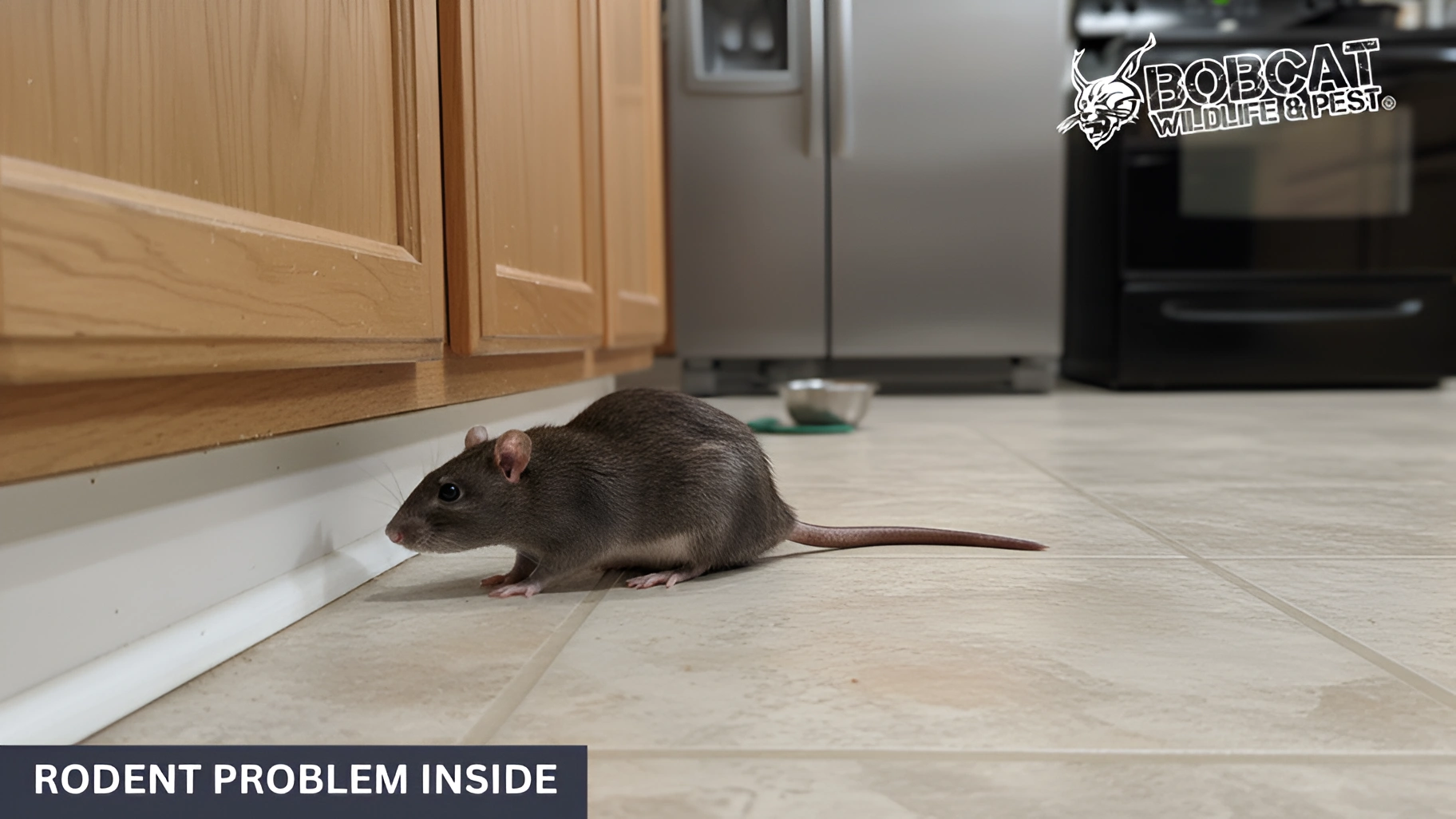
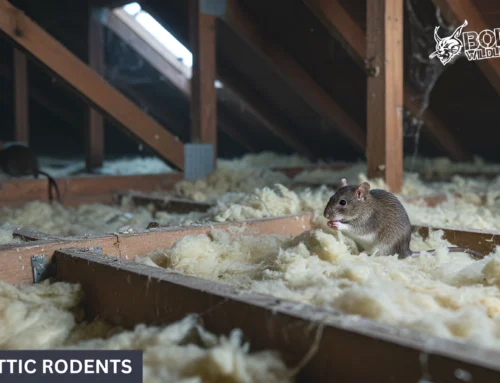
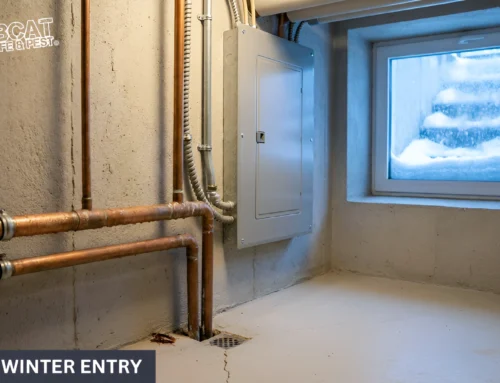
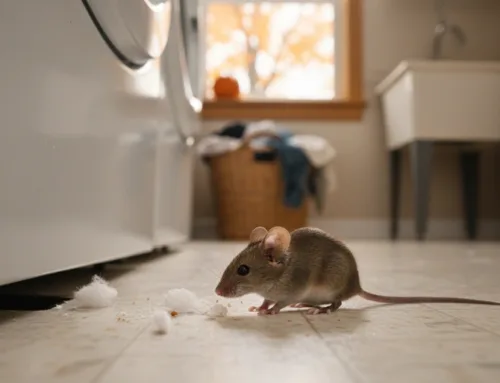
As winter settles in, rodents in Iowa City start looking for warm places to hide, especially around basements, garages, and older homes.
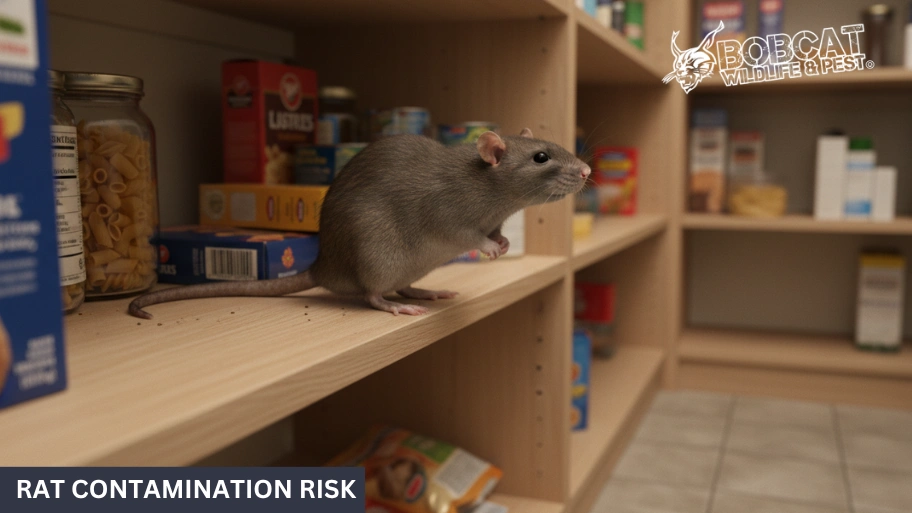
If they get inside, they can chew wiring, contaminate food, and leave behind unsafe droppings.
In this guide, we’ll show you how to rodent proof a house in Iowa City this winter by closing off small openings and cutting down the reasons rodents try to move indoors.
Whether you’re trying to prevent an issue or responding to early signs of activity, these simple rodent proofing steps will help keep your home protected all season.
Why rodent-proofing your Iowa City home matters during the winter season.
Simple, practical steps to stop mice and rats from slipping indoors.
How to seal common entry points and keep your home protected long-term.
What to do if rodents are already active and when it’s time to call professional rodent control in Iowa City.
What You’ll Learn About Keeping Rodents Out:
Why Rodent-Proofing Your Iowa City Home This Winter Is Essential
Winter increases rodent activity in Iowa City, and small structural gaps become easier for them to exploit.
Early rodent-proofing and basic rodent control steps help reinforce areas like utility openings, loose siding, and garage transitions before mice and rats start pushing into low-traffic storage spots or wall voids.
Immediate Benefits of Rodent-Proofing:
Reinforce weak entry points before rodents take advantage of them.
Reduce hidden nesting issues in basements, storage rooms, and crawl spaces.
Prevent long-term costs linked to contamination, repairs, and removal.
4 Simple Steps to Rodent-Proof Your Iowa City Home This Winter
Worried about rodents settling in for the season? These four steps will help keep mice and rats out of your Iowa City home and make your space harder for them to use as shelter.
Step 1 – Reduce What’s Attracting Them Inside
Food availability is one of the biggest reasons rodents stay inside once they get in. A few small changes in your kitchen and storage areas can make your home far less appealing.
Here’s what to do:
Use sealed containers: Keep pantry items like rice, pasta, snacks, and pet food in solid airtight containers.
Clean as you go: Crumbs and food residue build up quickly. Wipe counters after meals, sweep routinely, and don’t leave dishes out overnight.
Secure trash: Use a bin with a tight lid and empty it regularly so odors don’t draw rodents in.
Removing indoor attractants makes it harder for rodents to settle and reduces activity before it becomes a larger problem.
Step 2 – Identify Entry Points Around Your Home
A mouse only needs a tiny gap to get inside — and older Iowa City homes often have more small openings than people realize.
Good mouse control starts with finding these small openings and closing them before winter activity increases.
Check these common areas:
Door and window trim: Look for daylight around edges or worn weatherstripping.
Utility openings: Rodents commonly squeeze in around plumbing lines, dryer vents, and HVAC cutouts.
Foundation and siding gaps: Even a narrow crack can become a direct path indoors.
Once you pinpoint these weak spots, you can stop rodents before they reach interior walls, basements, and storage areas.
Step 3 – Seal and Repair Gaps (Exclusion Work)
After locating entry points, blocking them off is the most effective form of rodent-proofing.
Use these simple fixes:
Fresh weatherstripping: Install new seals around drafty doors or windows.
Steel wool for small openings: Pack it into holes around pipes or vents, then cover it with caulk or foam.
Caulk or expandable foam: Fill gaps in siding, utility cutouts, and cracks along foundation lines.
These updates don’t require advanced tools and make your home far harder for rodents to re-enter.
Step 4 – Keep Up With Monthly Maintenance
Rodent-proofing lasts longer when you stay consistent through the winter.
Make these habits part of your routine:
Inspect once a month: Recheck the areas you sealed and look for new openings created by weather shifts.
Keep food secured: Continue storing pantry items properly and emptying bins before they overflow.
Watch for signs: Droppings, scratching noises, or shredded debris may indicate a new entry you need to close.
Small maintenance steps help keep your Iowa City home protected all season and reduce the chances of a renewed infestation.
How to Know if You Already Have a Rodent Problem
Sometimes rodents are hiding long before you actually see one. Catching the early signs in your Iowa City home helps you act before the problem grows.
Here are common indicators that mice or rats may already be inside:
Droppings: Small, dark, rice-sized droppings along baseboards, inside cabinets, under sinks, or in storage areas often mean rodents are moving through those spaces regularly.
Gnawing and damage: Rodents keep their teeth worn down by chewing. Watch for fresh bite marks on food packaging, cardboard boxes, wood trim, or exposed wiring.
Nighttime noises: Light scratching, scurrying, or rustling sounds in walls, ceilings, or under floors at night can point to active rodents moving around your home.
Nesting materials: Shredded paper, fabric, insulation, or dried plant material piled into tucked-away corners, behind appliances, or in basements and attics are signs rodents are nesting.
Strange odors: A lingering, stale, or urine-like smell in enclosed areas such as crawl spaces, closets, or utility rooms can indicate an ongoing rodent issue.
What to Do if You Spot Signs of Rodents:
If any of these signs sound familiar, it is important to respond quickly.
Inspect problem areas closely:
Take a flashlight and check around appliances, utility lines, water heaters, and storage shelves for droppings, chew marks, and small gaps.
Seal openings as soon as possible:
Close any cracks or holes you find so new rodents cannot get in while you address the ones already inside.
Get professional support when activity is widespread:
If you are seeing signs in several rooms or repeatedly in the same areas, a professional rodent inspection can identify entry points and the extent of the infestation.
Schedule a rodent inspection with a local rodent control in Iowa City team to get a clear picture of what is happening in your home and a plan to keep rodents out this winter.
What If I Already Have a Rodent Problem?
If you’ve found signs of mice or rats in your Iowa City home, the most important thing is to act promptly.
Rodent activity grows fast, so taking a few immediate steps can help you keep the problem from spreading.
Here’s what you can do right away:
1. Use Traps and Bait Stations Strategically
Traps can quickly reduce early rodent activity when placed in the right areas.
How to use them effectively:
Target high-traffic zones: Place traps along walls, behind appliances, under sinks, or anywhere you’ve noticed droppings or gnawing.
Use a mix of trap types: Snap traps provide quick results, while enclosed bait stations help when activity is more widespread.
Check daily: Empty and reset traps as needed so they stay effective and continue reducing activity.
2. Protect All Food Sources Immediately
Once food becomes harder to reach, rodents lose a major reason to stay inside.
Steps to take:
Store everything in solid containers: Put grains, snacks, pet food, and baking supplies in airtight, chew-resistant containers.
Eliminate crumbs and residue: Clean surfaces after meals and sweep or vacuum areas where food is handled regularly.
3. Close Every Entry Point You Can Find
Removing rodents won’t help much if new ones can still get in.
Focus on these areas:
Doors, windows, and utility cutouts: These are the most common paths indoors.
Small gaps: Fill openings around pipes and vents using steel wool as a base, then seal it with caulk or foam.
4. Call a Professional if the Problem Is Spreading
Some infestations grow too quickly for DIY steps alone, especially in older Iowa City homes with hidden gaps.
Professional rodent control in Iowa City can:
Identify entry points you may have missed
Set up a targeted removal plan
Prevent future activity with long-term exclusion work
Bobcat Wildlife & Pest provides full inspections, trapping, and rodent-proofing solutions for Iowa City homeowners.
Need Professional Help? Get Expert Rodent Removal in Iowa City
If you’ve followed the rodent-proofing steps and still notice activity—or you’d rather have a professional handle everything—Bobcat Wildlife & Pest is ready to help.
Our team provides fast, local rodent removal and rodent control for Iowa City homes and takes care of both the infestation and the conditions that caused it.
Why Choose Our Rodent Removal Services in Iowa City?
Local Knowledge That Matters:
We understand how Iowa City’s winter weather, older neighborhoods, and mixed home styles affect rodent activity. Our experience with rodent control in Iowa City helps us quickly identify where rodents are getting in and what’s drawing them indoors.
Full Inspection and Long-Term Solutions:
We don’t just remove rodents—we track down how they entered, seal the weak spots, and give you a plan to prevent the issue from coming back. Our goal is a long-term fix, not a temporary drop in activity.
Safe, Targeted Treatments:
Our methods are effective and designed with families and pets in mind. We use proven techniques that clear the infestation while keeping your home safe and livable during the process.
Fast Response When You Need It Most:
Rodent issues can escalate quickly in winter. When you schedule a service, we act fast to inspect your home, locate the problem areas, and start the removal and exclusion process.
Get Professional Rodent Removal in Iowa City
If you’ve seen droppings, heard noises, or simply want a professional assessment, don’t wait for the problem to grow.
Contact Bobcat Wildlife & Pest today for a rodent inspection. We’ll take a close look at your home and provide the solutions needed to keep it rodent-free through the winter.
FAQs – Rodent-Proofing a Home in Iowa City
Start with two steps: removing food sources and closing the most obvious gaps.
Sealing around doors, foundation lines, and utility cutouts prevents winter rodents from getting a foothold.
Even basic weatherstripping can make an immediate difference in older Iowa City homes.
Seal exterior openings, maintain clean kitchen areas, and store food in airtight containers.
Rodents follow walls and utility lines, so closing small gaps around pipes and vents is especially important.
Pair sealing with a few traps indoors to stop new activity quickly.
A mouse can fit through openings as small as ¼ inch, which is about the size of a dime.
Rats need slightly larger spaces, but still surprisingly small.
This is why even hairline gaps around doors, siding, and foundation areas matter in winter.
Common entry points include gaps under exterior doors, cracks in the foundation, openings around utility lines, and loose siding.
In Iowa City, basements and garage transitions are frequent trouble spots because of shifting temperatures and older construction features.
Walk the exterior with a flashlight and look for gaps near pipes, vents, and trim.
Indoors, check behind appliances, under sinks, and in basements for droppings or rub marks that point to active travel routes.
Any place where warm air meets cold air is a potential entry point.
Use steel wool for small openings, then cover it with caulk or foam. For larger gaps, hardware cloth or metal flashing works well.
Weatherstripping or door sweeps should be installed on exterior doors to close common winter access points.
Mice leave small, rice-sized droppings, while rats leave larger, capsule-shaped droppings.
Rats also create heavier gnaw marks and usually stay closer to basements or garages.
Mice explore kitchens and pantries more frequently, so droppings there often indicate mouse activity.
Look for droppings along walls or shelves, gnaw marks on packaging, shredded nesting material, or food that has been moved.
Rodents also leave oily rub marks where their bodies brush against surfaces.
Any of these signs usually means the area is part of their main travel route.
Cold temperatures reduce outdoor food and shelter, so rodents move toward heat sources and protected spaces.
Homes with older basements, crawl spaces, or unsealed gaps are especially attractive. Winter activity increases sharply once the first freeze hits.
Yes — older homes often have settling cracks, aging utility cutouts, and worn trim that create multiple entry points.
Many also have unfinished basements or crawl spaces that provide ideal hiding spots.
Regular inspections help prevent these structures from becoming winter nesting areas.
Use snap traps or enclosed bait stations placed along walls and in areas showing droppings.
Keep traps away from children and pets. If activity spreads to multiple rooms, professional removal ensures the infestation is handled quickly and safely.
If rodents are already indoors, trapping is required to remove them.
Sealing prevents new rodents from entering, but existing ones will remain active without traps.
The best approach is to trap inside and seal outside at the same time.
Yes — steel wool is one of the most effective materials because rodents can’t chew through it.
Press it firmly into the gap and secure it with caulk or foam. It works especially well around plumbing and dryer vent cutouts.
Check once a month during winter, especially after temperature swings cause expansion and contraction in siding and trim.
Reinspect basements, garages, and utility rooms since these areas develop new openings the fastest.
Early detection prevents small problems from spreading.
You may have missed an entry point where new rodents continue coming in.
It’s also possible the traps aren’t placed near active travel paths.
Scratching or scurrying in walls often means rodents are nesting between floors and need targeted placement.
Small infestations may resolve in a few days, while more widespread activity often takes one to two weeks.
Homes with multiple entry points or hidden nesting areas may take longer.
Professional inspections speed up the process by locating all problem areas at once.
Yes — airtight, chew-resistant containers remove one of the main reasons rodents stay in a home.
Combined with regular cleaning and sealed entry points, this greatly reduces long-term activity. It’s one of the simplest but most effective prevention steps.
Check for gaps around rooflines, soffits, and attic vents, as well as foundation cracks and utility openings in basements.
Set traps close to where you see droppings or nesting material.
Attic and basement activity often indicates multiple entry routes that may require professional help.
Call a professional if you’re seeing activity in more than one area, hearing noises in walls, or struggling to locate entry points.
Large or recurring infestations usually require exclusion work that goes beyond basic DIY repairs.
Professionals can also confirm whether you’re dealing with mice or rats.
Yes — Bobcat Wildlife & Pest provides full rodent inspections, trapping, and long-term rodent-proofing for Iowa City homes.
We identify where rodents are entering, evaluate the extent of the activity, and create a targeted plan to keep your home protected through the winter.
{
"@context": "https://schema.org",
"@type": "FAQPage",
"mainEntity": [
{
"@type": "Question",
"name": "What’s the easiest way to rodent-proof my home for winter?",
"acceptedAnswer": {
"@type": "Answer",
"text": "Start with two steps: removing food sources and closing the most obvious gaps. Sealing around doors, foundation lines, and utility cutouts prevents winter rodents from getting a foothold. Even basic weatherstripping can make an immediate difference in older Iowa City homes."
}
},
{
"@type": "Question",
"name": "How do I keep mice and rats from getting into my Iowa City house?",
"acceptedAnswer": {
"@type": "Answer",
"text": "Seal exterior openings, maintain clean kitchen areas, and store food in airtight containers. Rodents follow walls and utility lines, so closing small gaps around pipes and vents is especially important. Pair sealing with a few traps indoors to stop new activity quickly."
}
},
{
"@type": "Question",
"name": "What size gap can a mouse squeeze through?",
"acceptedAnswer": {
"@type": "Answer",
"text": "A mouse can fit through openings as small as 1/4 inch, which is about the size of a dime. Rats need slightly larger spaces, but still surprisingly small. This is why even hairline gaps around doors, siding, and foundation areas matter in winter."
}
},
{
"@type": "Question",
"name": "Where do rodents usually enter homes during winter?",
"acceptedAnswer": {
"@type": "Answer",
"text": "Common entry points include gaps under exterior doors, cracks in the foundation, openings around utility lines, and loose siding. In Iowa City, basements and garage transitions are frequent trouble spots because of shifting temperatures and older construction features."
}
},
{
"@type": "Question",
"name": "How do I find hidden entry points around my house?",
"acceptedAnswer": {
"@type": "Answer",
"text": "Walk the exterior with a flashlight and look for gaps near pipes, vents, and trim. Indoors, check behind appliances, under sinks, and in basements for droppings or rub marks that point to active travel routes. Any place where warm air meets cold air is a potential entry point."
}
},
{
"@type": "Question",
"name": "What should I seal gaps with to keep rodents out?",
"acceptedAnswer": {
"@type": "Answer",
"text": "Use steel wool for small openings, then cover it with caulk or foam. For larger gaps, hardware cloth or metal flashing works well. Weatherstripping or door sweeps should be installed on exterior doors to close common winter access points."
}
},
{
"@type": "Question",
"name": "How do I know if I have mice or rats in my home?",
"acceptedAnswer": {
"@type": "Answer",
"text": "Mice leave small, rice-sized droppings, while rats leave larger, capsule-shaped droppings. Rats also create heavier gnaw marks and usually stay closer to basements or garages. Mice explore kitchens and pantries more frequently, so droppings there often indicate mouse activity."
}
},
{
"@type": "Question",
"name": "What signs of rodents should I look for in my kitchen or pantry?",
"acceptedAnswer": {
"@type": "Answer",
"text": "Look for droppings along walls or shelves, gnaw marks on packaging, shredded nesting material, or food that has been moved. Rodents also leave oily rub marks where their bodies brush against surfaces. Any of these signs usually means the area is part of their main travel route."
}
},
{
"@type": "Question",
"name": "Why do rodents try to get inside Iowa homes during winter?",
"acceptedAnswer": {
"@type": "Answer",
"text": "Cold temperatures reduce outdoor food and shelter, so rodents move toward heat sources and protected spaces. Homes with older basements, crawl spaces, or unsealed gaps are especially attractive. Winter activity increases sharply once the first freeze hits."
}
},
{
"@type": "Question",
"name": "Are older homes in Iowa City more prone to rodent problems?",
"acceptedAnswer": {
"@type": "Answer",
"text": "Yes — older homes often have settling cracks, aging utility cutouts, and worn trim that create multiple entry points. Many also have unfinished basements or crawl spaces that provide ideal hiding spots. Regular inspections help prevent these structures from becoming winter nesting areas."
}
},
{
"@type": "Question",
"name": "What’s the safest way to get rid of rodents if I already have them?",
"acceptedAnswer": {
"@type": "Answer",
"text": "Use snap traps or enclosed bait stations placed along walls and in areas showing droppings. Keep traps away from children and pets. If activity spreads to multiple rooms, professional removal ensures the infestation is handled quickly and safely."
}
},
{
"@type": "Question",
"name": "Do I need to use traps, or will sealing gaps be enough?",
"acceptedAnswer": {
"@type": "Answer",
"text": "If rodents are already indoors, trapping is required to remove them. Sealing prevents new rodents from entering, but existing ones will remain active without traps. The best approach is to trap inside and seal outside at the same time."
}
},
{
"@type": "Question",
"name": "Can I use steel wool to block small holes around pipes and vents?",
"acceptedAnswer": {
"@type": "Answer",
"text": "Yes — steel wool is one of the most effective materials because rodents can’t chew through it. Press it firmly into the gap and secure it with caulk or foam. It works especially well around plumbing and dryer vent cutouts."
}
},
{
"@type": "Question",
"name": "How often should I check for new gaps or rodent activity?",
"acceptedAnswer": {
"@type": "Answer",
"text": "Check once a month during winter, especially after temperature swings cause expansion and contraction in siding and trim. Reinspect basements, garages, and utility rooms since these areas develop new openings the fastest. Early detection prevents small problems from spreading."
}
},
{
"@type": "Question",
"name": "Why do I still hear noises even after setting traps?",
"acceptedAnswer": {
"@type": "Answer",
"text": "You may have missed an entry point where new rodents continue coming in. It’s also possible the traps aren’t placed near active travel paths. Scratching or scurrying in walls often means rodents are nesting between floors and need targeted placement."
}
},
{
"@type": "Question",
"name": "How long does it take to remove a rodent infestation?",
"acceptedAnswer": {
"@type": "Answer",
"text": "Small infestations may resolve in a few days, while more widespread activity often takes one to two weeks. Homes with multiple entry points or hidden nesting areas may take longer. Professional inspections speed up the process by locating all problem areas at once."
}
},
{
"@type": "Question",
"name": "Will sealing food properly help stop rodents from coming back?",
"acceptedAnswer": {
"@type": "Answer",
"text": "Yes — airtight, chew-resistant containers remove one of the main reasons rodents stay in a home. Combined with regular cleaning and sealed entry points, this greatly reduces long-term activity. It’s one of the simplest but most effective prevention steps."
}
},
{
"@type": "Question",
"name": "What should I do if rodents are getting into my attic or basement?",
"acceptedAnswer": {
"@type": "Answer",
"text": "Check for gaps around rooflines, soffits, and attic vents, as well as foundation cracks and utility openings in basements. Set traps close to where you see droppings or nesting material. Attic and basement activity often indicates multiple entry routes that may require professional help."
}
},
{
"@type": "Question",
"name": "When should I call a professional for rodent control?",
"acceptedAnswer": {
"@type": "Answer",
"text": "Call a professional if you’re seeing activity in more than one area, hearing noises in walls, or struggling to locate entry points. Large or recurring infestations usually require exclusion work that goes beyond basic DIY repairs. Professionals can also confirm whether you're dealing with mice or rats."
}
},
{
"@type": "Question",
"name": "Does Bobcat Wildlife & Pest offer rodent inspections in Iowa City?",
"acceptedAnswer": {
"@type": "Answer",
"text": "Yes — Bobcat Wildlife & Pest provides full rodent inspections, trapping, and long-term rodent-proofing for Iowa City homes. We identify where rodents are entering, evaluate the extent of the activity, and create a targeted plan to keep your home protected through the winter."
}
}
]
}