In Iowa City, winter doesn’t slow pests; it brings them indoors.
As temperatures drop, pests seek warmth inside commercial buildings, making winter pest control a priority for Iowa City businesses.
Proactive planning is essential—waiting for problems to arise is costly and disruptive.
For business owners and property managers, understanding these winter pest patterns and acting early is key to preventing disruptions and expensive issues later in the season.
What This Article Covers:
Why Winter Creates Higher Pest Risks for Iowa City Businesses
Winter in Iowa City doesn’t so much increase pest numbers as it concentrates pest activity inside commercial buildings.
At Bobcat Wildlife & Pest Management in Iowa City, branch manager Derek Brownmiller and the local team see this seasonal shift firsthand.
Their experience serving the community shows that colder months bring predictable pest pressures that exploit building weaknesses businesses might miss during warmer seasons.
For Iowa City properties, winter risk grows because:
Indoor environments stay stable while outdoor conditions swing
Warm interiors become attractive refuges for pests when temperatures plunge or fluctuate sharply.
Commercial access points remain in use year‑round
Loading docks, service doors, utility entries, and roof penetrations don’t shut down in winter, offering pests opportunities to enter.
Freeze‑thaw weather compresses pest movement into short windows
Rapid changes in outdoor weather push pests to relocate quickly, making interior entry more likely over concentrated time frames.
This tendency for pests to focus inside commercial spaces is why winter pest control matters so much for Iowa City businesses.
The risk comes not from a surge in pest populations, but from predictable behavior inside buildings that can lead to costly disruptions if left unaddressed.
Common Winter Pests Found in Iowa City Commercial Buildings
When pest activity shifts indoors, certain pests become more noticeable in Iowa City commercial properties.
During winter, these are the most common types of pest activity that business owners typically notice—even if there were no obvious signs earlier in the year:
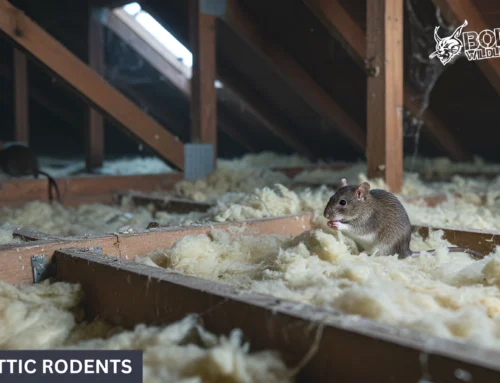
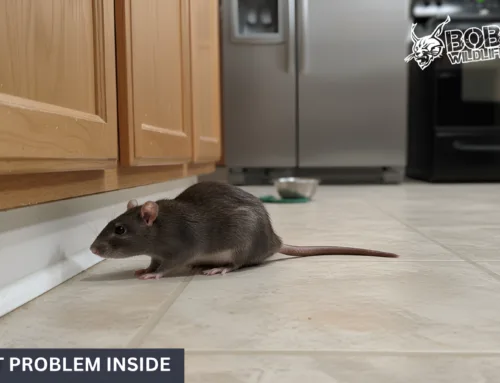
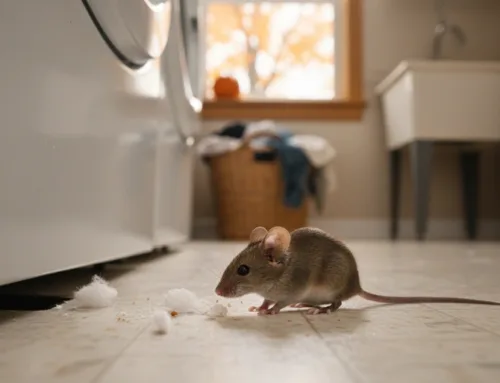
Rodents are among the most frequent winter pests in commercial spaces due to the ample hiding spots large buildings provide.
They prefer areas that aren’t accessed daily during business operations.
Wall voids, ceiling spaces, storage rooms, and utility corridors are prime hiding spots during the winter months.
Rodent activity is often detected through indirect signs, like droppings or damage, rather than direct sightings.
This makes rodents one of the top pests Iowa City businesses must watch out for during winter.
Unlike more seasonal pests, cockroaches and ants can remain active year-round, including through the colder months.
The warmth of interior spaces allows these pests to continue their activity uninterrupted.
These pests tend to remain in hidden areas, out of sight, making early detection difficult.
Movement may be subtle, occurring out of direct sight, leading to unnoticed infestations that only grow over time.
In commercial settings, cockroaches and ants are often overlooked until their presence becomes undeniable.
Seasonal Invaders Customers Notice
While some pests don’t reproduce indoors, they still tend to enter commercial buildings during winter.
Common invaders include spiders, flies, and stink bugs.
These pests are typically spotted near windows, entrances, or interior walls.
Even minimal activity can be enough to catch the attention of customers or staff.
For businesses, visibility is key, and even a small number of these pests can make a significant impression, regardless of their size.
How Winter Pest Problems Can Disrupt Your Iowa City Business
Winter pest issues rarely create immediate disruptions—they tend to build up quietly, often in areas that are less frequently checked during the colder months.
In Iowa City commercial properties, pest problems often go unnoticed until they’ve already begun impacting day-to-day operations.
During the winter months, pest activity in commercial environments commonly leads to disruption in the following ways:
Health and Safety Concerns Emerge Gradually
Problems often become apparent during routine inspections, audits, or customer interactions, rather than through overt incidents. This is especially true when pest activity remains confined to hidden indoor areas.
Property and Inventory Risks Develop Out of Sight
Storage rooms, back areas, and mechanical spaces usually see less traffic in winter, allowing pest-related issues to escalate unnoticed until they become a problem that affects business operations.
Customer Perception Changes Quickly
Even minimal pest activity can have a major impact on customer perception. Businesses may find that customers are less forgiving of pest sightings in winter, as they expect interior spaces to remain well-maintained and pest-free during colder months.
Why Winter Infestations Escalate Quietly
Fewer inspections, seasonal changes in staffing, and the common misconception that colder temperatures reduce pest movement can allow issues to develop without detection until it’s too late.
This is why winter poses a unique challenge for pest control in Iowa City businesses. The disruption often starts small but can escalate quickly once initial warning signs are missed.
Why Many Iowa City Businesses Miss Early Winter Pest Warning Signs
Early winter pest problems are often missed—not because businesses are neglectful, but because the signs don’t show up where people expect them.
In Iowa City commercial properties, winter pest activity tends to remain hidden during the initial stages, making it easy to overlook until it becomes a more obvious issue.
Several factors contribute to this delayed recognition:
Pests Nest in Areas That Are Often Overlooked
Spaces like wall voids, ceiling cavities, mechanical rooms, and storage areas tend to receive less attention, especially during colder months when foot traffic and operational activity decrease.
Routine Inspections Become Less Frequent
With seasonal staff changes, disruptions caused by winter weather, and shifting business priorities, routine checks on non-public areas often decline, allowing early signs of pest activity to go unnoticed.
Common Assumptions Lead to Delayed Awareness
Many Iowa City businesses assume that colder weather reduces pest movement, which can lead to a delayed response when subtle signs start appearing.
These factors combine to make early winter pest issues easy to miss, often only surfacing when they spread to more visible or frequently accessed areas of the building.
How Iowa City Businesses Can Reduce Winter Pest Risks Before They Escalate
Minimizing winter pest risks starts with proactive planning, not by reacting to visible problems once they appear.
The most effective way to reduce pest issues in commercial buildings is to address vulnerabilities before they escalate into visible activity inside occupied spaces.
For Iowa City businesses, winter risk reduction can be broken down into these key areas:
- 1
Identifying Common Winter Vulnerabilities
Many Iowa City commercial properties have consistent pressure points, such as service areas, utility connections, and low-traffic interior spaces, that need special attention during the winter months.
- 2
Focusing on Awareness Rather Than Reaction
Businesses that prepare for the winter season are more likely to spot early signs of pest activity before it becomes a problem. Being proactive allows Iowa City businesses to address issues early, rather than waiting for clear signs of infestation.
- 3
Treating Winter as an Ongoing Concern, Not a Break
Pests don’t take a break when the temperatures drop. Planning for pest control during winter ensures that pest issues are kept in check, preventing them from becoming larger, more complicated problems later in the season.
This approach is not about quick fixes; it’s about treating winter as a time when proactive measures consistently deliver better results than reactive responses.
When Professional Commercial Pest Control Makes Sense for Iowa City Businesses
As winter sets in, pest issues often evolve from being an awareness concern to requiring active oversight.
Derek Brownmiller and his team at Bobcat Wildlife & Pest Management Iowa City are often called in when pests become harder to track than to spot.
Their deep understanding of local conditions means they know when winter conditions make it difficult to manage pests with internal resources alone.
For Iowa City commercial properties, professional pest control services become essential when:
Signs of Pest Activity Repeat Without Clear Patterns
Pests may appear sporadically, disappear, and then return in different areas, leaving internal teams puzzled. This erratic activity often means the problem has spread beyond the capacity of basic monitoring and requires a more strategic approach.
Building Complexity Limits Internal Visibility
Many Iowa City commercial buildings are older, multi-use structures with complex layouts. These spaces often have multiple zones operating on different schedules, making it difficult to consistently monitor for pest activity, especially during winter. Without expert oversight, pest problems can be hard to identify until they escalate.
Winter Conditions Cause Activity to Concentrate
Cold weather causes pests to concentrate their activity indoors, often in isolated areas for longer periods. This makes winter a time when pests can remain undetected for much longer, requiring a more continuous and proactive approach to pest control rather than isolated responses.
In Iowa City, winter isn’t just about reacting to isolated issues; it’s about ensuring consistent awareness across the entire building.
Derek often notes that professional oversight isn’t about responding to an urgent issue—it’s about recognizing when pest activity has become difficult to manage internally due to changing winter conditions.
That’s when a comprehensive pest control plan, built on expert insight and consistent monitoring, becomes invaluable in preventing hidden problems from spiraling out of control.
Frequently Asked Questions About Winter Commercial Pest Control in Iowa City
Winter pest problems tend to feel more severe because pests are forced to concentrate their activity indoors, seeking warmth and shelter.
Unlike the warmer months, when pests are more spread out, winter pushes them into confined spaces, often out of sight, leading to delayed detection.
Here’s why winter pest problems seem worse:
- Concentrated Activity: When temperatures drop, pests cluster in specific indoor areas like storage rooms, ceilings, and mechanical spaces, which are often overlooked.
- Winter Adaptation: Pests that usually roam freely in warmer weather now stay confined indoors, making their activity more noticeable when discovered.
- Delayed Detection: Indoor pests are harder to spot in winter because they tend to stay in hidden, low-traffic areas, like behind walls or in basements, until their numbers grow large enough to be noticed.
Derek Brownmiller often points out that Iowa City businesses should expect more concentrated pest activity during the winter months, particularly in areas that are less actively maintained, like storage and utility rooms.
Certain types of businesses in Iowa are more vulnerable to winter pest infestations due to their building design, operations, and inventory.
High-risk businesses include:
- Foodservice Establishments: Restaurants, kitchens, and food storage areas provide abundant food sources and warm environments, making them prime targets for pests like rodents and cockroaches.
- Warehouses & Distribution Centers: These businesses often have large, multi-zone buildings with low-traffic areas, providing ideal conditions for pests to nest undetected.
- Healthcare Facilities: Hospitals and clinics with specialized storage and clean rooms attract pests like ants and rodents that seek out food and shelter.
- Retail and Hospitality: Hotels, malls, and other commercial spaces with multiple entry points or areas of storage can struggle with maintaining pest-free conditions, especially when heating systems attract pests during the colder months.
According to Derek Brownmiller, businesses in Iowa City that rely on open storage areas or large heating systems often deal with higher risks in winter due to the combination of warm interiors and less routine checks in non-public spaces.
Yes, many pests remain active indoors throughout the Iowa winter.
While outdoor pests slow down due to the cold, pests like rodents, cockroaches, and ants thrive indoors where temperatures are controlled and food is accessible.
How pests stay active indoors:
- Rodents: Mice and rats move into wall voids, attics, and basements, where warmth and food are more consistent. They can multiply rapidly and remain unnoticed until the infestation becomes serious.
- Cockroaches: Roaches, especially German roaches, love the warmth and humidity of kitchens and bathrooms, staying active all year long.
- Ants: Species like odorous house ants continue their search for food indoors during the winter, especially around cracks or in areas near food storage.
- Spiders: While some spiders slow down, others continue to hunt for food indoors and can often be found in basements or corners of less trafficked areas.
Derek Brownmiller notes that Iowa City businesses with poor insulation or heating systems can attract more pests during the winter months because pests find easy access through gaps or cracks in walls and windows.
Rodents, such as mice and rats, are among the most prevalent winter pests in Iowa City commercial properties.
They are excellent at finding their way into buildings through small cracks and entry points, and their activity is harder to control once they establish nests.
Why rodents are a significant winter pest problem:
- Easy Access Points: Rodents can enter through small gaps around doors, windows, pipes, and vents. These entry points often go unnoticed during the winter months, allowing rodents to sneak in undetected.
- Destructive Behavior: Rodents chew through insulation, wires, and food packaging, which can cause property damage, disrupt operations, and even pose safety hazards.
- Health Risks: Rodents, including rats and mice, are known to spread harmful diseases like salmonella, leptospirosis, and Hantavirus, which can affect both employees and customers. Their droppings and urine can also contaminate food storage areas.
Derek Brownmiller points out that rodents are particularly troublesome in Iowa City businesses during cold snaps, when they move inside in search of warmth and food.
He recommends preventive measures like sealing entry points and maintaining good sanitation practices to keep rodents at bay.
Even though commercial doors are typically closed during the winter, pests can still find ways to enter buildings.
Pests are resourceful and will use any openings they can find to access indoor environments.
Common ways pests enter buildings:
- Gaps Around Doors and Windows: Even small cracks or gaps can be a pathway for pests. These gaps can be easy to overlook during the colder months when businesses assume pests are less active.
- Service Doors & Loading Docks: These areas often remain open for deliveries or maintenance. Without proper sealing, pests can enter when these doors are in use.
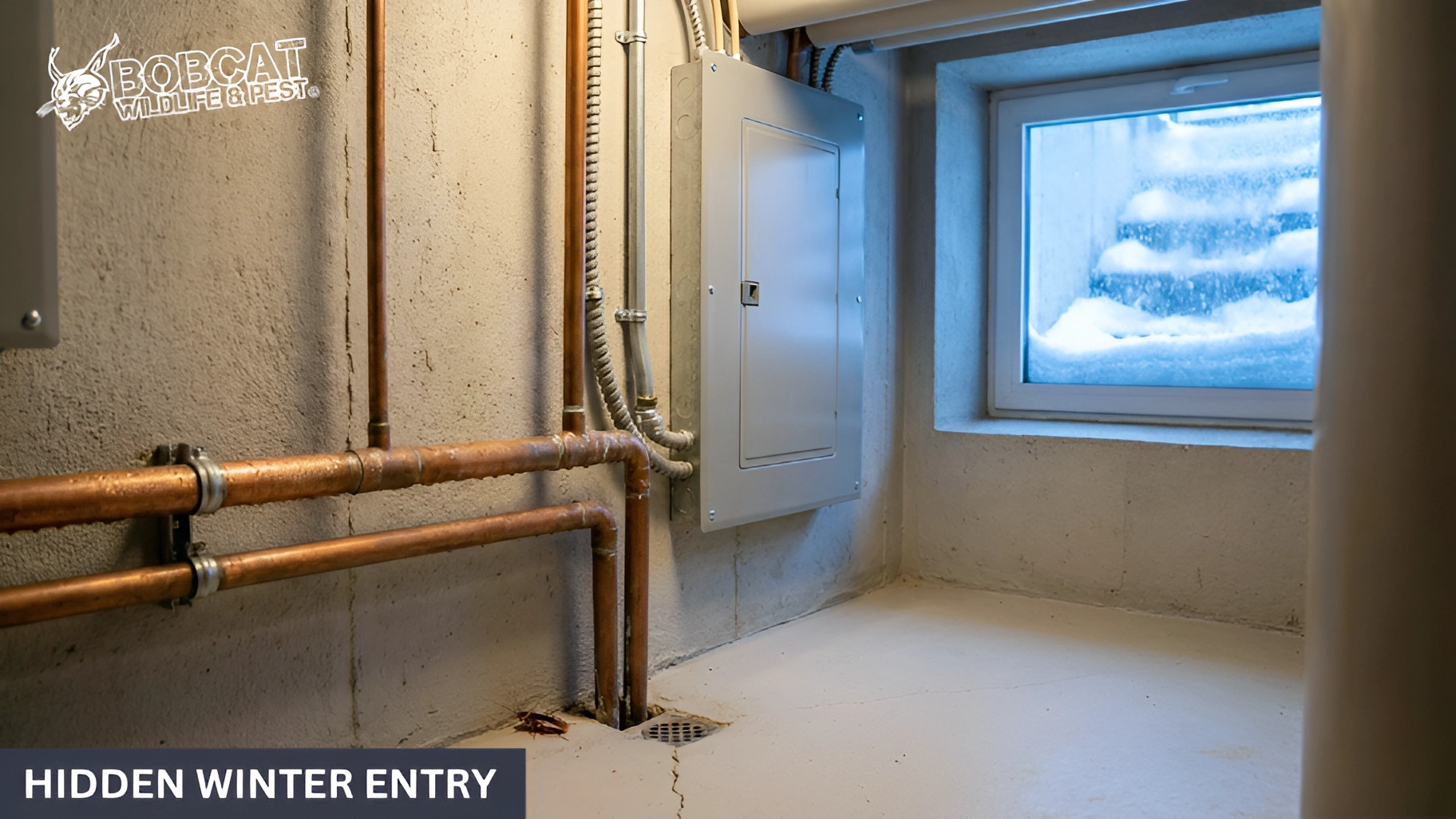
- Utility Penetrations: Pipes, wires, and cables entering the building often create small gaps that pests can use to access the interior. These are especially vulnerable during freezing weather when materials contract.
- Human Transport: Pests can also enter on shipments, deliveries, or even on employees’ personal items, such as bags or clothing.
Derek Brownmiller often emphasizes the importance of maintaining tight seals on service doors, loading docks, and other entry points, as winter creates an ideal environment for pests to seek warmth and shelter indoors.
Early signs of winter pest problems often go unnoticed because pests tend to remain hidden in areas less frequently checked during the colder months.
However, recognizing subtle clues early on can help businesses prevent larger infestations.
Common early signs include:
- Droppings: Small, dark droppings are often the first indicator of rodent activity. These can be found in hidden areas like storage rooms, behind appliances, or within ceiling spaces.
- Gnaw Marks: Rodents, particularly mice, will gnaw on insulation, wires, and even food packaging. Look for signs of gnawing around food storage areas, pipes, and baseboards.
- Strange Noises: Scratching or scurrying sounds coming from walls or ceilings may indicate rodents or insects moving around.
- Odors: A musty or foul odor could be a sign of rodents nesting or decaying insects in walls, attics, or other hidden spaces.
- Damaged Goods: Pests may chew through packaging, wires, or even the product itself, particularly in storage areas.
Early identification of these signs can prevent the problem from escalating into a full-blown infestation.
Winter infestations are often discovered too late because pests start in areas that are hidden or not checked regularly.
During the colder months, businesses may assume the cold weather reduces pest activity, leading to missed early signs.
Reasons why infestations are discovered late include:
- Hidden Activity: Pests such as rodents and cockroaches often start in secluded areas like wall voids, mechanical rooms, or storage spaces, which are less frequently checked.
- Fewer Inspections: With fewer staff or less frequent inspections during the winter, businesses may overlook signs of pests until they become more widespread.
- Assumption of Reduced Activity: Many businesses assume that pests are dormant in winter due to the cold weather, causing them to underestimate the importance of monitoring during this time.
Addressing pest activity early requires consistent monitoring, even in winter, to catch problems before they become major disruptions.
Yes, winter pest problems can lead to health code violations, especially in foodservice, healthcare, and hospitality industries.
Pests pose health risks and can compromise sanitation standards, which could lead to inspections, fines, or even closures.
Potential health code violations caused by pests include:
- Food Contamination: Rodents, cockroaches, and other pests can contaminate food, surfaces, and equipment, leading to violations of health regulations.
- Unhygienic Conditions: Pests can create unsanitary environments, potentially spreading bacteria and allergens that affect both employees and customers.
- Damage to Property: Pests, especially rodents, can cause significant property damage by gnawing on critical materials like wiring, insulation, and structural components, which can create safety risks and costly repairs.
Winter is a time when businesses need to stay vigilant, as pest activity often moves indoors. Preventative pest control measures are crucial to maintaining a clean and compliant business environment.
Yes, commercial pest control differs significantly from residential pest control, especially in winter.
Commercial properties are typically larger and more intricate, with a variety of entry points that demand tailored pest management strategies.
Key differences include:
- Building Size & Complexity: Commercial spaces, especially those in Iowa City, often have larger, multi-zone structures. Pest control must address each unique area—storage rooms, loading docks, kitchens, etc.—and monitor them consistently.
- Traffic & Activity Levels: Commercial buildings often experience higher levels of foot traffic, deliveries, and product movement, all of which create additional opportunities for pests to enter and thrive.
- Regulatory Compliance: Pest infestations in businesses like restaurants, healthcare facilities, and other service-based industries can lead to serious compliance issues. Commercial pest control needs to be more thorough to avoid violations and make sure of the safety of employees and customers.
- Ongoing Monitoring: Unlike residential pest control, commercial pest management often requires continuous, scheduled inspections and preventive treatments to stay ahead of potential infestations.
Commercial pest control focuses on long-term solutions, often involving regular monitoring, prevention, and education to reduce the likelihood of infestations.
The frequency of pest control for commercial buildings during winter depends on the size of the building and the specific needs of the business.
However, a proactive approach with regular inspections can prevent major infestations.
General guidelines for pest control frequency include:
- Quarterly Inspections: Many businesses can maintain a pest-free environment with quarterly inspections. These visits ensure that winter pests are kept in check before they spread.
- Monthly Inspections for High-Risk Businesses: High-risk businesses, such as restaurants, healthcare facilities, or food processing plants, may need monthly pest control inspections to address the heightened risk during winter.
- Emergency Visits: If any signs of pest activity are detected between regular inspections, immediate action should be taken to prevent the problem from escalating.
Pest control in winter should focus on prevention and early detection, with regular visits to ensure all potential entry points are sealed and monitored.
A one-time treatment is rarely sufficient to address winter pest problems in commercial buildings.
Pests tend to be persistent, and winter conditions create an ideal environment for ongoing infestations.
The most effective approach is implementing a comprehensive pest management plan that emphasizes long-term prevention and control.
Why a one-time treatment doesn’t usually work:
- Winter Conditions Favor Ongoing Activity: Cold temperatures push pests indoors, where they remain active for months. A single treatment may not address the root cause or all potential entry points.
- Hidden Activity: Pests like rodents and cockroaches often hide in hard-to-reach spaces like ceilings, walls, and mechanical rooms, which require ongoing monitoring and treatment to manage effectively.
- Reinfestation: Without sealing entry points and controlling food and water sources, pests can return. One-time treatments don’t address these long-term risks, leaving businesses vulnerable to reinfestations.
A continuous, proactive pest management plan with regular inspections and treatments is essential to keep pests under control throughout the winter months.
Certain areas of commercial buildings are more vulnerable to winter pests due to their accessibility, limited traffic, and ideal conditions for pests to thrive.
Common high-risk areas include:
- Storage Rooms: With infrequent cleaning and often poor visibility, storage rooms are prime locations for pests like rodents and cockroaches to hide and breed.
- Mechanical Rooms & Basements: These areas are often warmer than the rest of the building, especially if heating equipment is running, providing a perfect environment for pests.
- Loading Docks & Service Doors: High traffic and frequent openings for deliveries increase the likelihood of pests entering these areas, making them key points of vulnerability.
- Utility Penetrations: Gaps around plumbing, HVAC systems, and electrical wires can provide easy access for pests like rodents, ants, and cockroaches.
- Kitchens & Food Storage Areas: These spaces attract pests looking for food and moisture, especially if food spills or packaging are not properly cleaned or sealed.
Regular inspections and sealing off potential entry points in these areas are crucial steps in winter pest prevention.
Professional pest control offers a proactive strategy to prevent costly infestations in commercial buildings.
Effective pest control not only minimizes the immediate damage but also helps businesses avoid the long-term costs associated with major infestations.
Ways pest control helps prevent costly infestations:
- Prevention of Property Damage: Rodents and other pests can lead to extensive damage within commercial buildings, often targeting materials like insulation, wiring, and furniture. Pest control prevents these issues before they lead to expensive repairs.
- Protection of Inventory: Pests can damage or contaminate inventory, especially in food-related businesses. Preventing infestations helps avoid costly product loss.
- Avoidance of Compliance Issues: Many businesses must comply with health and safety regulations, especially in foodservice.
- Reducing Long-Term Costs: Early intervention is far less expensive than dealing with a full-blown infestation. Regular monitoring and prevention measures ensure that businesses don’t face large, unexpected costs later.
Investing in commercial pest control before issues arise can save businesses from much higher costs and complications later in the season.
No, businesses should not wait until spring to address pest problems.
Winter is a critical time to address pest control because activity is often concentrated indoors, and issues left unchecked can escalate quickly.
Proactively managing pest problems in winter prevents larger infestations and ensures a pest-free environment when warmer weather arrives.
Why waiting until spring is not advisable:
- Winter Pests Concentrate Indoors: As pests move inside to escape the cold, they become more concentrated in indoor spaces. Ignoring pest activity during winter allows problems to worsen, making it harder and more costly to manage later.
- Fewer Entry Points in Spring: In the spring, pests have more opportunities to enter buildings as doors and windows are opened more frequently. If pests are not controlled in winter, they may find new entry points when spring arrives.
- Customer Perception: Pests that are not dealt with in the winter may start to be noticed by customers in the spring, damaging the business’s reputation.
Winter pest control is essential for ensuring businesses remain pest-free all year long. Proactive management ensures that infestations don’t get out of hand, preventing long-term damage and service interruptions.
Ongoing monitoring is a key component of effective winter pest control.
Winter conditions may keep pests hidden, but with regular checks, businesses can catch early signs of activity and take action before infestations grow.
The importance of ongoing monitoring includes:
- Early Detection: Regular monitoring helps detect signs of pest activity before they become visible or disruptive. It’s easier and less costly to address small problems before they escalate.
- Tracking Pest Movement: Monitoring helps track where pests are most active, allowing pest control teams to target specific areas for treatment and prevention.
- Adaptation to Changing Conditions: Winter weather can lead to fluctuations in pest activity. Ongoing monitoring helps pest control services adjust strategies based on real-time data, ensuring that the building remains protected.
- Long-Term Control: Ongoing monitoring ensures that pest control measures are effective and helps identify any new vulnerabilities in the building’s structure.
By maintaining continuous monitoring throughout winter, businesses can stay ahead of pest problems and keep their facilities pest-free.
Winter pest problems can significantly affect how customers view a business, even if the pest activity is minimal.
Customers expect businesses to maintain clean, safe environments, and even a small sign of pests can quickly tarnish a company’s reputation.
How winter pest issues can impact customer perception:
- Visibility of Pests: Even if pest activity is minimal, customers are quick to notice it. A single rodent sighting, cockroach, or even pest droppings in visible areas can lead to negative impressions.
- Cleanliness and Safety: Businesses that fail to control pests during winter are perceived as less sanitary and may be seen as not taking proper care of their premises. This perception can drive customers to seek out alternatives.
- Health Concerns: Pest infestations in commercial buildings, especially in foodservice or healthcare facilities, can raise health concerns. This can lead to customers avoiding the business to protect their health, harming the brand’s reputation.
Derek Brownmiller emphasizes that early and consistent pest control is essential, especially in winter, when customers are less forgiving of even the smallest pest issue. Regular monitoring and preventative measures show customers that the business prioritizes cleanliness and safety.
Commercial pest control services offer a comprehensive, professional approach that goes beyond the capabilities of DIY solutions.
While DIY methods may provide short-term fixes, they often fail to tackle the underlying issues, meaning the problem can resurface.
Why commercial pest control services are more effective:
- Expert Knowledge and Experience: Professional pest control companies have the expertise to identify hidden entry points, nesting areas, and the exact species causing the issue. They apply targeted strategies based on years of experience.
- Comprehensive Inspection: Pest control companies conduct thorough inspections to identify problem areas that may be overlooked by DIY methods. They also address the entire building rather than just treating visible areas.
- Ongoing Monitoring: Professional services provide continuous monitoring and follow-up visits to make sure that pests are fully eradicated and don’t return. DIY solutions tend to be one-time fixes without long-term monitoring.
- Customized Solutions: Commercial pest control is tailored to the specific needs of the business, considering the type of pest, building structure, and operational requirements. DIY solutions often lack this level of customization and may miss key factors.
Derek Brownmiller advises that while DIY solutions can work in some cases, businesses should invest in professional pest control for long-term, effective management, particularly in the winter when conditions favor indoor infestations.
Businesses should consider professional pest control services when they notice signs of pest activity that are hard to manage internally or when pest problems become recurrent.
If the infestation is beyond basic DIY methods, it’s time to call in experts.
Signs that indicate it’s time to bring in professional pest control:
- Visible Pest Activity: If employees or customers notice pests, such as rodents, cockroaches, or ants, regularly inside the building.
- Difficulty Tracking the Problem: When pests appear in different areas or seem to be moving from one part of the building to another, it may be difficult for internal teams to identify and manage the root cause.
- Health or Safety Risks: If pests are contaminating food or spreading disease, it’s crucial to get professional help immediately to prevent health code violations or customer complaints.
- Recurrent Infestations: If pest issues continue despite efforts to manage them internally, it’s crucial to call in professionals who can conduct a detailed assessment and apply a thorough, tailored solution.
Derek Brownmiller emphasizes that professional pest control services are essential when the business’s ability to handle pests on its own becomes insufficient.
Early intervention is essential to address the problem promptly, preventing it from escalating into larger, more costly issues down the line.
Winter pest control is primarily focused on prevention and early detection, rather than reactive treatments.
Proactive measures help ensure that pests are kept out before they become an issue.
Focus of winter pest control:
- Prevention: Identifying and sealing entry points (gaps around doors, windows, vents) is the first step in winter pest control. Ensuring that food sources are inaccessible and that buildings are insulated properly also helps prevent pest attraction.
- Ongoing Monitoring: Winter pest control involves regular checks to monitor for any signs of pests and ensure that preventative measures are working.
- Active Treatment: While prevention is key, active treatment may be necessary if pests are discovered. This could include traps, baits, or other measures to eliminate pests already present.
Derek Brownmiller notes that pest control in winter should be a continuous, proactive approach. Waiting for a problem to emerge before acting leads to higher costs and greater disruption to business operations.
Iowa businesses can take several proactive steps now to prevent major pest problems later in the winter.
Early preparation ensures that businesses don’t face larger, costlier infestations down the road.
Key preparation steps include:
- Seal Entry Points: Inspect doors, windows, vents, and utility lines for gaps and cracks that pests can use to enter. Sealing these areas now helps prevent pests from gaining access when winter conditions drive them indoors.
- Maintain Cleanliness: Regularly clean areas that are prone to pests, such as kitchens, storage rooms, and back areas. Keep food storage sealed and free from crumbs or spills.
- Check Insulation and Weatherproofing: Proper insulation around doors and windows ensures pests can’t sneak through tiny gaps. Make sure weather stripping is intact and that insulation is adequate to keep areas warm without inviting pests.
- Schedule Preventive Inspections: Arrange for a professional pest control inspection before the cold sets in. A thorough inspection will identify any vulnerabilities and help set up a proactive pest control plan.
By taking these steps now, businesses can avoid major pest problems as winter progresses. Preparation is the key to long-term pest management.
{
"@context": "https://schema.org",
"@type": "FAQPage",
"mainEntity": [
{
"@type": "Question",
"name": "Why do pest problems seem worse in commercial buildings during winter?",
"acceptedAnswer": {
"@type": "Answer",
"text": "Winter pest problems tend to feel more severe because pests are forced to concentrate their activity indoors, seeking warmth and shelter. Unlike the warmer months, when pests are more spread out, winter pushes them into confined spaces, often out of sight, leading to delayed detection. \nHere’s why winter pest problems seem worse: \n• Concentrated Activity: When temperatures drop, pests cluster in specific indoor areas like storage rooms, ceilings, and mechanical spaces, which are often overlooked. \n• Winter Adaptation: Pests that usually roam freely in warmer weather now stay confined indoors, making their activity more noticeable when discovered. \n• Delayed Detection: Indoor pests are harder to spot in winter because they tend to stay in hidden, low-traffic areas, like behind walls or in basements, until their numbers grow large enough to be noticed."
}
},
{
"@type": "Question",
"name": "What types of businesses in Iowa are most at risk for winter pest issues?",
"acceptedAnswer": {
"@type": "Answer",
"text": "Certain types of businesses in Iowa are more vulnerable to winter pest infestations due to their building design, operations, and inventory. \nHigh-risk businesses include: \n• Foodservice Establishments: Restaurants, kitchens, and food storage areas provide abundant food sources and warm environments, making them prime targets for pests like rodents and cockroaches. \n• Warehouses & Distribution Centers: These businesses often have large, multi-zone buildings with low-traffic areas, providing ideal conditions for pests to nest undetected. \n• Healthcare Facilities: Hospitals and clinics with specialized storage and clean rooms attract pests like ants and rodents that seek out food and shelter. \n• Retail and Hospitality: Hotels, malls, and other commercial spaces with multiple entry points or areas of storage can struggle with maintaining pest-free conditions, especially when heating systems attract pests during the colder months."
}
},
{
"@type": "Question",
"name": "Do pests actually stay active indoors during Iowa winters?",
"acceptedAnswer": {
"@type": "Answer",
"text": "Yes, many pests remain active indoors throughout the Iowa winter. While outdoor pests slow down due to the cold, pests like rodents, cockroaches, and ants thrive indoors where temperatures are controlled and food is accessible. \nHow pests stay active indoors: \n• Rodents: Mice and rats move into wall voids, attics, and basements, where warmth and food are more consistent. They can multiply rapidly and remain unnoticed until the infestation becomes serious. \n• Cockroaches: Roaches, especially German roaches, love the warmth and humidity of kitchens and bathrooms, staying active all year long. \n• Ants: Species like odorous house ants continue their search for food indoors during the winter, especially around cracks or in areas near food storage. \n• Spiders: While some spiders slow down, others continue to hunt for food indoors and can often be found in basements or corners of less trafficked areas."
}
},
{
"@type": "Question",
"name": "Are rodents the biggest winter pest problem for businesses?",
"acceptedAnswer": {
"@type": "Answer",
"text": "Rodents, such as mice and rats, are among the most prevalent winter pests in Iowa City commercial properties. \nThey are excellent at finding their way into buildings through small cracks and entry points, and their activity is harder to control once they establish nests. \nWhy rodents are a significant winter pest problem: \n• Easy Access Points: Rodents can enter through small gaps around doors, windows, pipes, and vents. These entry points often go unnoticed during the winter months, allowing rodents to sneak in undetected. \n• Destructive Behavior: Rodents chew through insulation, wires, and food packaging, which can cause property damage, disrupt operations, and even pose safety hazards. \n• Health Risks: Rodents, including rats and mice, are known to spread harmful diseases like salmonella, leptospirosis, and Hantavirus, which can affect both employees and customers. Their droppings and urine can also contaminate food storage areas."
}
},
{
"@type": "Question",
"name": "How can pests get into commercial buildings when doors are usually closed in winter?",
"acceptedAnswer": {
"@type": "Answer",
"text": "Even though commercial doors are typically closed during the winter, pests can still find ways to enter buildings. Pests are resourceful and will use any openings they can find to access indoor environments. \nCommon ways pests enter buildings: \n• Gaps Around Doors and Windows: Even small cracks or gaps can be a pathway for pests. These gaps can be easy to overlook during the colder months when businesses assume pests are less active. \n• Service Doors & Loading Docks: These areas often remain open for deliveries or maintenance. Without proper sealing, pests can enter when these doors are in use. \n• Utility Penetrations: Pipes, wires, and cables entering the building often create small gaps that pests can use to access the interior. These are especially vulnerable during freezing weather when materials contract. \n• Human Transport: Pests can also enter on shipments, deliveries, or even on employees' personal items, such as bags or clothing."
}
},
{
"@type": "Question",
"name": "What are the early signs of a winter pest problem in a commercial property?",
"acceptedAnswer": {
"@type": "Answer",
"text": "Early signs of winter pest problems often go unnoticed because pests tend to remain hidden in areas less frequently checked during the colder months. However, recognizing subtle clues early on can help businesses prevent larger infestations. \nCommon early signs include: \n• Droppings: Small, dark droppings are often the first indicator of rodent activity. These can be found in hidden areas like storage rooms, behind appliances, or within ceiling spaces. \n• Gnaw Marks: Rodents, particularly mice, will gnaw on insulation, wires, and even food packaging. Look for signs of gnawing around food storage areas, pipes, and baseboards. \n• Strange Noises: Scratching or scurrying sounds coming from walls or ceilings may indicate rodents or insects moving around. \n• Odors: A musty or foul odor could be a sign of rodents nesting or decaying insects in walls, attics, or other hidden spaces. \n• Damaged Goods: Pests may chew through packaging, wires, or even the product itself, particularly in storage areas. \nEarly identification of these signs can prevent the problem from escalating into a full-blown infestation."
}
},
{
"@type": "Question",
"name": "Why are winter pest infestations often discovered too late?",
"acceptedAnswer": {
"@type": "Answer",
"text": "Winter infestations are often discovered too late because pests start in areas that are hidden or not checked regularly. During the colder months, businesses may assume the cold weather reduces pest activity, leading to missed early signs. \nReasons why infestations are discovered late include: \n• Hidden Activity: Pests such as rodents and cockroaches often start in secluded areas like wall voids, mechanical rooms, or storage spaces, which are less frequently checked. \n• Fewer Inspections: With fewer staff or less frequent inspections during the winter, businesses may overlook signs of pests until they become more widespread. \n• Assumption of Reduced Activity: Many businesses assume that pests are dormant in winter due to the cold weather, causing them to underestimate the importance of monitoring during this time. \nAddressing pest activity early requires consistent monitoring, even in winter, to catch problems before they become major disruptions."
}
},
{
"@type": "Question",
"name": "Can winter pest problems cause health code or compliance issues for businesses?",
"acceptedAnswer": {
"@type": "Answer",
"text": "Yes, winter pest problems can lead to health code violations, especially in foodservice, healthcare, and hospitality industries. Pests pose health risks and can compromise sanitation standards, which could lead to inspections, fines, or even closures. \nPotential health code violations caused by pests include: \n• Food Contamination: Rodents, cockroaches, and other pests can contaminate food, surfaces, and equipment, leading to violations of health regulations. \n• Unhygienic Conditions: Pests can create unsanitary environments, potentially spreading bacteria and allergens that affect both employees and customers. \n• Damage to Property: Pests, especially rodents, can cause significant property damage by gnawing on critical materials like wiring, insulation, and structural components, which can create safety risks and costly repairs. \nWinter is a time when businesses need to stay vigilant, as pest activity often moves indoors. Preventative pest control measures are crucial to maintaining a clean and compliant business environment."
}
},
{
"@type": "Question",
"name": "Is pest control for businesses different from residential pest control in winter?",
"acceptedAnswer": {
"@type": "Answer",
"text": "Yes, commercial pest control differs significantly from residential pest control, especially in winter. \nCommercial properties are typically larger and more intricate, with a variety of entry points that demand tailored pest management strategies. \nKey differences include: \n• Building Size & Complexity: Commercial spaces, especially those in Iowa City, often have larger, multi-zone structures. Pest control must address each unique area—storage rooms, loading docks, kitchens, etc.—and monitor them consistently. \n• Traffic & Activity Levels: Commercial buildings often experience higher levels of foot traffic, deliveries, and product movement, all of which create additional opportunities for pests to enter and thrive. \n• Regulatory Compliance: Pest infestations in businesses like restaurants, healthcare facilities, and other service-based industries can lead to serious compliance issues. Commercial pest control needs to be more thorough to avoid violations and ensure the safety of employees and customers. \n• Ongoing Monitoring: Unlike residential pest control, commercial pest management often requires continuous, scheduled inspections and preventive treatments to stay ahead of potential infestations. \nCommercial pest control focuses on long-term solutions, often involving regular monitoring, prevention, and education to reduce the likelihood of infestations."
}
},
{
"@type": "Question",
"name": "How often should pest control for commercial buildings be performed during winter?",
"acceptedAnswer": {
"@type": "Answer",
"text": "The frequency of pest control for commercial buildings during winter depends on the size of the building and the specific needs of the business. However, a proactive approach with regular inspections can prevent major infestations. \nGeneral guidelines for pest control frequency include: \n• Quarterly Inspections: Many businesses can maintain a pest-free environment with quarterly inspections. These visits ensure that winter pests are kept in check before they spread. \n• Monthly Inspections for High-Risk Businesses: High-risk businesses, such as restaurants, healthcare facilities, or food processing plants, may need monthly pest control inspections to address the heightened risk during winter. \n• Emergency Visits: If any signs of pest activity are detected between regular inspections, immediate action should be taken to prevent the problem from escalating. \nPest control in winter should focus on prevention and early detection, with regular visits to ensure all potential entry points are sealed and monitored."
}
},
{
"@type": "Question",
"name": "Can a one-time treatment solve winter pest problems in a business?",
"acceptedAnswer": {
"@type": "Answer",
"text": "A one-time treatment is rarely sufficient to address winter pest problems in commercial buildings. Pests tend to be persistent, and winter conditions create an ideal environment for ongoing infestations. \nThe most effective approach is implementing a comprehensive pest management plan that emphasizes long-term prevention and control. \nWhy a one-time treatment doesn’t usually work: \n• Winter Conditions Favor Ongoing Activity: Cold temperatures push pests indoors, where they remain active for months. A single treatment may not address the root cause or all potential entry points. \n• Hidden Activity: Pests like rodents and cockroaches often hide in hard-to-reach spaces like ceilings, walls, and mechanical rooms, which require ongoing monitoring and treatment to manage effectively. \n• Reinfestation: Without sealing entry points and controlling food and water sources, pests can return. One-time treatments don’t address these long-term risks, leaving businesses vulnerable to reinfestations. \nA continuous, proactive pest management plan with regular inspections and treatments is essential to keep pests under control throughout the winter months."
}
},
{
"@type": "Question",
"name": "What areas of commercial buildings are most vulnerable to winter pests?",
"acceptedAnswer": {
"@type": "Answer",
"text": "Certain areas of commercial buildings are more vulnerable to winter pests due to their accessibility, limited traffic, and ideal conditions for pests to thrive. \nCommon high-risk areas include: \n• Storage Rooms: With infrequent cleaning and often poor visibility, storage rooms are prime locations for pests like rodents and cockroaches to hide and breed. \n• Mechanical Rooms & Basements: These areas are often warmer than the rest of the building, especially if heating equipment is running, providing a perfect environment for pests. \n• Loading Docks & Service Doors: High traffic and frequent openings for deliveries increase the likelihood of pests entering these areas, making them key points of vulnerability. \n• Utility Penetrations: Gaps around plumbing, HVAC systems, and electrical wires can provide easy access for pests like rodents, ants, and cockroaches. \n• Kitchens & Food Storage Areas: These spaces attract pests looking for food and moisture, especially if food spills or packaging are not properly cleaned or sealed. \nRegular inspections and sealing off potential entry points in these areas are crucial steps in winter pest prevention."
}
},
{
"@type": "Question",
"name": "How does commercial pest control help prevent costly winter infestations?",
"acceptedAnswer": {
"@type": "Answer",
"text": "Professional pest control offers a proactive strategy to prevent costly infestations in commercial buildings. \nEffective pest control not only minimizes the immediate damage but also helps businesses avoid the long-term costs associated with major infestations. \nWays pest control helps prevent costly infestations: \n• Prevention of Property Damage: Rodents and other pests can lead to extensive damage within commercial buildings, often targeting materials like insulation, wiring, and furniture. Pest control prevents these issues before they lead to expensive repairs. \n• Protection of Inventory: Pests can damage or contaminate inventory, especially in food-related businesses. Preventing infestations helps avoid costly product loss. \n• Avoidance of Compliance Issues: Many businesses must comply with health and safety regulations, especially in foodservice. \n• Reducing Long-Term Costs: Early intervention is far less expensive than dealing with a full-blown infestation. Regular monitoring and prevention measures ensure that businesses don't face large, unexpected costs later. \nInvesting in commercial pest control before issues arise can save businesses from much higher costs and complications later in the season."
}
},
{
"@type": "Question",
"name": "Should businesses wait until spring to address pest problems?",
"acceptedAnswer": {
"@type": "Answer",
"text": "No, businesses should not wait until spring to address pest problems. Winter is a critical time to address pest control because activity is often concentrated indoors, and issues left unchecked can escalate quickly. Proactively managing pest problems in winter prevents larger infestations and ensures a pest-free environment when warmer weather arrives. \nWhy waiting until spring is not advisable: \n• Winter Pests Concentrate Indoors: As pests move inside to escape the cold, they become more concentrated in indoor spaces. Ignoring pest activity during winter allows problems to worsen, making it harder and more costly to manage later. \n• Fewer Entry Points in Spring: In the spring, pests have more opportunities to enter buildings as doors and windows are opened more frequently. If pests are not controlled in winter, they may find new entry points when spring arrives. \n• Customer Perception: Pests that are not dealt with in the winter may start to be noticed by customers in the spring, damaging the business’s reputation. \nWinter pest control is essential for ensuring businesses remain pest-free all year long. Proactive management ensures that infestations don’t get out of hand, preventing long-term damage and service interruptions."
}
},
{
"@type": "Question",
"name": "What role does ongoing monitoring play in winter commercial pest control?",
"acceptedAnswer": {
"@type": "Answer",
"text": "Ongoing monitoring is a key component of effective winter pest control. Winter conditions may keep pests hidden, but with regular checks, businesses can catch early signs of activity and take action before infestations grow. \nThe importance of ongoing monitoring includes: \n• Early Detection: Regular monitoring helps detect signs of pest activity before they become visible or disruptive. It’s easier and less costly to address small problems before they escalate. \n• Tracking Pest Movement: Monitoring helps track where pests are most active, allowing pest control teams to target specific areas for treatment and prevention. \n• Adaptation to Changing Conditions: Winter weather can lead to fluctuations in pest activity. Ongoing monitoring helps pest control services adjust strategies based on real-time data, ensuring that the building remains protected. \n• Long-Term Control: Ongoing monitoring ensures that pest control measures are effective and helps identify any new vulnerabilities in the building’s structure. \nBy maintaining continuous monitoring throughout winter, businesses can stay ahead of pest problems and keep their facilities pest-free."
}
},
{
"@type": "Question",
"name": "How do winter pest issues impact customer perception and business reputation?",
"acceptedAnswer": {
"@type": "Answer",
"text": "Winter pest problems can significantly affect how customers view a business, even if the pest activity is minimal. Customers expect businesses to maintain clean, safe environments, and even a small sign of pests can quickly tarnish a company’s reputation. \nHow winter pest issues can impact customer perception: \n• Visibility of Pests: Even if pest activity is minimal, customers are quick to notice it. A single rodent sighting, cockroach, or even pest droppings in visible areas can lead to negative impressions. \n• Cleanliness and Safety: Businesses that fail to control pests during winter are perceived as less sanitary and may be seen as not taking proper care of their premises. This perception can drive customers to seek out alternatives. \n• Health Concerns: Pest infestations in commercial buildings, especially in foodservice or healthcare facilities, can raise health concerns. This can lead to customers avoiding the business to protect their health, harming the brand's reputation."
}
},
{
"@type": "Question",
"name": "What makes commercial pest control services more effective than DIY solutions?",
"acceptedAnswer": {
"@type": "Answer",
"text": "Commercial pest control services offer a comprehensive, professional approach that goes beyond the capabilities of DIY solutions. While DIY methods may provide short-term fixes, they often fail to tackle the underlying issues, meaning the problem can resurface. \nWhy commercial pest control services are more effective: \n• Expert Knowledge and Experience: Professional pest control companies have the expertise to identify hidden entry points, nesting areas, and the exact species causing the issue. They apply targeted strategies based on years of experience. \n• Comprehensive Inspection: Pest control companies conduct thorough inspections to identify problem areas that may be overlooked by DIY methods. They also address the entire building rather than just treating visible areas. \n• Ongoing Monitoring: Professional services provide continuous monitoring and follow-up visits to make sure that pests are fully eradicated and don't return. DIY solutions tend to be one-time fixes without long-term monitoring. \n• Customized Solutions: Commercial pest control is tailored to the specific needs of the business, considering the type of pest, building structure, and operational requirements. DIY solutions often lack this level of customization and may miss key factors."
}
},
{
"@type": "Question",
"name": "When should a business consider professional commercial pest control services?",
"acceptedAnswer": {
"@type": "Answer",
"text": "Businesses should consider professional pest control services when they notice signs of pest activity that are hard to manage internally or when pest problems become recurrent. If the infestation is beyond basic DIY methods, it’s time to call in experts. \nSigns that indicate it’s time to bring in professional pest control: \n• Visible Pest Activity: If employees or customers notice pests, such as rodents, cockroaches, or ants, regularly inside the building. \n• Difficulty Tracking the Problem: When pests appear in different areas or seem to be moving from one part of the building to another, it may be difficult for internal teams to identify and manage the root cause. \n• Health or Safety Risks: If pests are contaminating food or spreading disease, it’s crucial to get professional help immediately to prevent health code violations or customer complaints. \n• Recurrent Infestations: If pest issues continue despite efforts to manage them internally, it’s crucial to call in professionals who can conduct a detailed assessment and apply a thorough, tailored solution."
}
},
{
"@type": "Question",
"name": "Does winter pest control focus more on prevention or active treatment?",
"acceptedAnswer": {
"@type": "Answer",
"text": "Winter pest control is primarily focused on prevention and early detection, rather than reactive treatments. Proactive measures help ensure that pests are kept out before they become an issue. \nFocus of winter pest control: \n• Prevention: Identifying and sealing entry points (gaps around doors, windows, vents) is the first step in winter pest control. Ensuring that food sources are inaccessible and that buildings are insulated properly also helps prevent pest attraction. \n• Ongoing Monitoring: Winter pest control involves regular checks to monitor for any signs of pests and ensure that preventative measures are working. \n• Active Treatment: While prevention is key, active treatment may be necessary if pests are discovered. This could include traps, baits, or other measures to eliminate pests already present."
}
},
{
"@type": "Question",
"name": "How can Iowa businesses prepare now to avoid major pest problems later in winter?",
"acceptedAnswer": {
"@type": "Answer",
"text": "Iowa businesses can take several proactive steps now to prevent major pest problems later in the winter. Early preparation ensures that businesses don’t face larger, costlier infestations down the road. \nKey preparation steps include: \n• Seal Entry Points: Inspect doors, windows, vents, and utility lines for gaps and cracks that pests can use to enter. Sealing these areas now helps prevent pests from gaining access when winter conditions drive them indoors. \n• Maintain Cleanliness: Regularly clean areas that are prone to pests, such as kitchens, storage rooms, and back areas. Keep food storage sealed and free from crumbs or spills. \n• Check Insulation and Weatherproofing: Proper insulation around doors and windows ensures pests can’t sneak through tiny gaps. Make sure weather stripping is intact and that insulation is adequate to keep areas warm without inviting pests. \n• Schedule Preventive Inspections: Arrange for a professional pest control inspection before the cold sets in. A thorough inspection will identify any vulnerabilities and help set up a proactive pest control plan."
}
}
]
}