
Why Mice Often Go Unnoticed at First
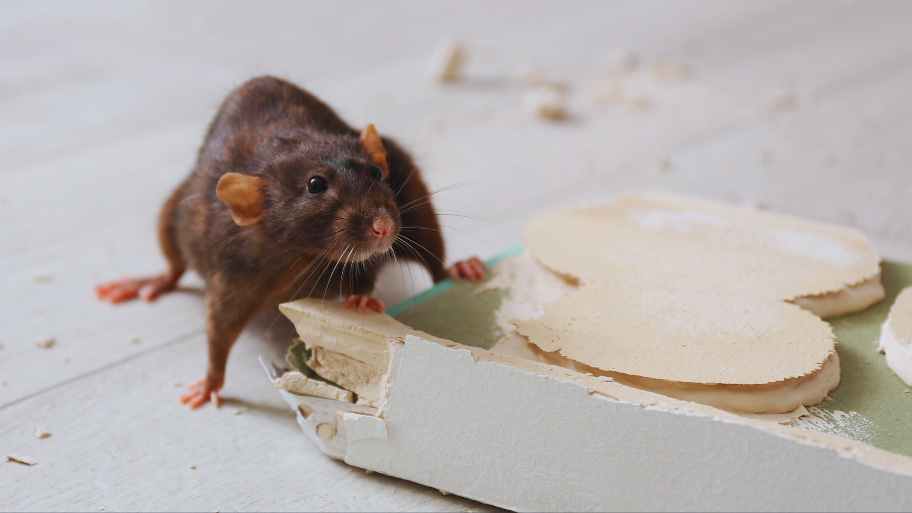
Have you started hearing movement after dark or noticing droppings in the garage, basement, or kitchen?
Many Hiawatha homeowners do not realize they have mice at first because the early signs are easy to ignore.
Once mice get indoors, they can quickly spread through:
As the infestation grows, mice can damage wiring and insulation, contaminate surfaces, and leave strong odors behind hidden areas.
Contact Bobcat Wildlife & Pest Management for mice removal in Hiawatha, IA before the infestation spreads further inside your home.
Why Mouse Problems Often Keep Coming Back
Many mouse infestations continue because mice often nest in hidden areas homeowners never fully find.
Even after traps are set or visible activity seems gone, new mice can continue entering through small openings around the home.
Common problem areas include:
Without sealing those entry points, mouse activity can continue returning over time.
Bobcat Wildlife & Pest Management helps Hiawatha homeowners identify hidden entry areas and reduce recurring mouse problems indoors.
What the Mice Removal Process Usually Looks Like
Not every mouse problem is handled the same way.
The removal process often depends on how active the infestation is, where the activity is happening, and how mice are getting indoors in the first place.
A typical mice removal service may involve:
The goal is not just to remove the immediate activity, but also to help reduce the chances of future infestations indoors.
Bobcat Wildlife & Pest Management provides mice removal and prevention services for homeowners throughout Hiawatha, IA.
Small Mouse Problems Can Become Much Harder to Control
Have you been putting off dealing with the mouse activity inside your home?
Waiting too long can allow mice to continue nesting, contaminating areas, and increasing the amount of cleanup and repairs needed later.
To help prevent bigger problems, homeowners should:
Contact Bobcat Wildlife & Pest Management for mice removal in Hiawatha, IA before the infestation becomes harder to control.

In early 2023, we discovered we had mice in our attic. After calling several pest control companies, we chose Bobcat since they presented an approach that seemed reasonably priced and thorough. I’m pleased to report the mice are gone and we no longer hear wood chewing sounds coming from the attic. Derek is extremely knowledgeable and readily answers any questions that we may have. Although our initial reason for having Bobcat help us out was to eliminate mice in the attic and eliminate how they were getting inside the house, Derek has helped prevent other pests that would regularly bother us, and was dependent on the season.



Common Questions About Mice Inside Hiawatha Homes
How do I know if mice are living inside my home?
Many homeowners in Hiawatha first notice mice after hearing scratching sounds at night, finding droppings in the garage or kitchen, or noticing food packaging that has been chewed through.
Other common signs include:
- strong odors in hidden areas,
- nesting debris near storage spaces,
- grease marks along walls,
- movement around basements, attics, or crawl spaces.
Because mice usually stay hidden during the day, infestations can continue growing before the activity becomes obvious throughout the home.
What are the first signs of a mouse infestation?
The first signs are often small and easy to overlook at first. Many homeowners notice:
- droppings near food or storage areas,
- scratching sounds after dark,
- chewed cardboard or food packaging,
- unusual odors in enclosed spaces,
- small nesting materials in hidden corners.
Mice are highly active indoors once they find food, warmth, and shelter, especially during colder months in Hiawatha.
Why do mice keep coming back after traps are set?
Traps may remove some visible mice, but they often do not address nesting areas or the openings allowing new mice to keep getting indoors.
Recurring infestations commonly happen because:
- entry points were never sealed,
- hidden nesting areas remain active,
- food sources are still accessible,
- mice continue entering through unnoticed gaps.
Long-term mice control usually involves both removing the activity and reducing access to the home.
Where do mice usually hide inside a house?
Mice often stay in dark, quiet areas where they can avoid activity and stay close to food or nesting materials.
Common hiding areas include:
- attics,
- basements,
- crawl spaces,
- wall voids,
- garages,
- utility rooms,
- storage areas behind boxes or insulation.
Because much of the activity happens out of sight, homeowners may only notice signs after the infestation has already spread further indoors.
Can mice damage wiring, insulation, or other parts of the home?
Yes. Mice gnaw on things to prevent their teeth from growing too long. If they don't, their teeth can cause damage to walls, attics, garages, and storage areas.
Over time, mice may:
- chew electrical wiring,
- tear apart insulation for nesting,
- damage drywall or stored belongings,
- contaminate surfaces with droppings and urine.
The longer the infestation continues, the greater the risk of damage and cleanup costs inside the home.
How quickly can a mouse infestation grow indoors?
Mouse infestations can grow faster than many homeowners expect once mice begin nesting inside the home. Because mice reproduce frequently, even a small amount of activity can turn into a much larger problem within a relatively short time.
As the infestation grows, mice may continue spreading into:
- attics,
- basements,
- wall voids,
- garages,
- and storage areas throughout the home.
Addressing the activity early can help reduce larger infestations and additional cleanup later.
What attracts mice into homes in Hiawatha?
Mice usually enter homes searching for food, warmth, water, and safe nesting areas, especially during colder weather in Hiawatha.
Common things that attract mice include:
- exposed food or crumbs,
- pet food left accessible,
- cluttered storage areas,
- small openings around the home,
- warm indoor shelter during colder months.
Even small gaps near garages, utility lines, doors, or foundations can make it easier for mice to get indoors.
How do professionals remove mice from a home?
Professional mice removal usually starts with inspecting the home to identify signs of activity, nesting areas, and possible entry points.
Depending on the situation, the process may involve:
- removing active mouse activity,
- locating hidden problem areas,
- sealing entry points,
- cleaning contaminated spaces,
- helping reduce future infestations.
The goal is not only to remove the current activity, but also to help prevent mice from continuing to return indoors.
Is it possible to completely get rid of mice permanently?
Long-term mice control is possible, but it usually depends on how well the home is protected from future entry and nesting activity.
Reducing recurring infestations often involves:
- sealing vulnerable openings,
- addressing food and nesting sources,
- monitoring for continued activity,
- responding early when new signs appear.
Because mice can fit through extremely small spaces, prevention and exclusion are important parts of keeping homes protected over time.
When should I call for professional mice removal in Hiawatha, IA?
It is usually best to call once you begin noticing repeated signs of activity, especially if traps are not solving the problem or the infestation appears to be spreading.
Homeowners often contact a professional after noticing:
- scratching sounds at night,
- droppings in multiple areas,
- recurring mouse activity,
- strong odors,
- damage near food or storage spaces.
Early action can help prevent larger infestations, additional contamination, and more costly damage inside the home.