
When Attic Noises Turn Into a Bigger Problem
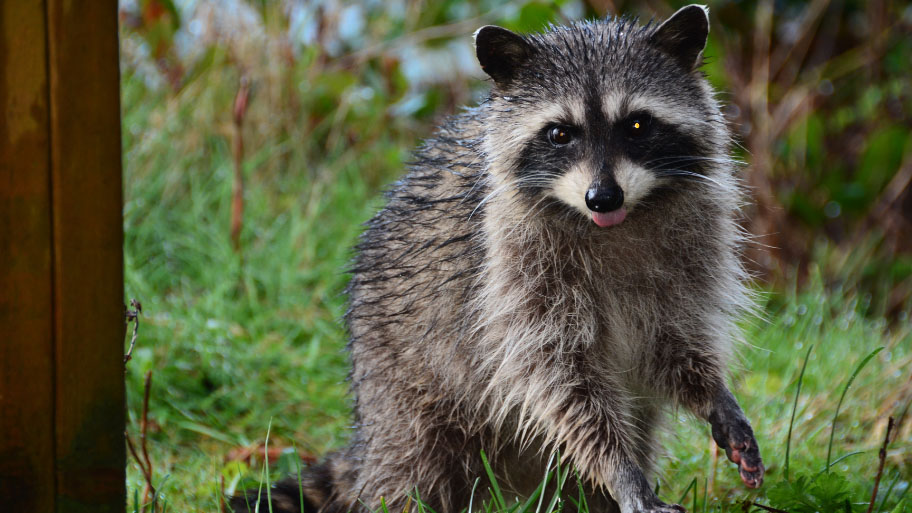
Hearing heavy movement or scratching in your attic at night?
Raccoons in Fairfax homes can quickly cause damage once they get inside attics, garages, or soffits.
Common signs include:
Bobcat Wildlife & Pest Management provides humane raccoon removal in Fairfax, IA to safely remove raccoons, find entry points, and help prevent future infestations.
Why Raccoon Problems Often Get Worse
Raccoons rarely stay inactive once they settle into a home.
What starts as occasional nighttime activity can quickly turn into a larger infestation, especially during nesting seasons when raccoons stay hidden indoors for longer periods.
Over time, raccoon activity can lead to:
Bobcat Wildlife & Pest Management helps Fairfax homeowners address raccoon problems early before the infestation becomes harder to control.
What Solving a Raccoon Problem Usually Involves
Every raccoon situation is different depending on where the activity is happening and how long the animals have been inside the property.
In many Fairfax homes, the process involves more than one visit to fully remove the raccoons and reduce the chances of future activity.
The process may include:
Bobcat Wildlife & Pest Management works to help homeowners fully resolve raccoon problems instead of only providing a temporary fix.
Why Small Raccoon Problems Rarely Stay Small
If you notice signs of raccoons around your Fairfax home, it’s best to address the problem before the animals settle in for longer periods or return to the same areas repeatedly.
Homeowners can help reduce larger problems later by:
Taking action early is usually the best way to avoid more difficult cleanup, property damage, and recurring raccoon activity later on.



In early 2023, we discovered we had mice in our attic. After calling several pest control companies, we chose Bobcat since they presented an approach that seemed reasonably priced and thorough. I’m pleased to report the mice are gone and we no longer hear wood chewing sounds coming from the attic. Derek is extremely knowledgeable and readily answers any questions that we may have. Although our initial reason for having Bobcat help us out was to eliminate mice in the attic and eliminate how they were getting inside the house, Derek has helped prevent other pests that would regularly bother us, and was dependent on the season.
Common Questions About Raccoon Removal
How do I know if raccoons are living in my attic?
Many Fairfax homeowners first notice raccoons through heavy thumping, scratching, or movement sounds coming from the attic at night.
Unlike smaller pests, raccoons are larger animals, so the noises are often louder and easier to hear through ceilings or walls.
Other common signs include:
- Damage near roof edges, vents, or soffits
- Strong odors coming from attic spaces
- Torn insulation or scattered debris
- Trash repeatedly tipped over outside
- Visible raccoon activity near the roofline after dark
Because raccoons often stay hidden during the day, an inspection is usually the best way to confirm how long the activity has been happening and where the animals may be entering.
What sounds do raccoons make inside walls or ceilings at night?
Raccoons often make heavy scratching, thumping, dragging, or walking sounds inside attics, ceilings, or walls.
Many homeowners in Fairfax describe the noise as much louder than mice or squirrels because raccoons are larger and more active when moving around indoors.
The sounds are usually more noticeable:
- Late at night or before sunrise
- Around attic corners or rooflines
- During colder weather or nesting periods
- When multiple raccoons are active together
If the noises continue regularly, it may indicate that the raccoons have already settled into the property instead of simply passing through.
Are raccoons dangerous to have around my home?
Raccoons can become dangerous when they settle inside or around a home for extended periods.
They may damage property, leave droppings in hidden areas, and become aggressive if they feel trapped or threatened.
Homeowners should avoid direct contact with:
- Adult raccoons
- Nesting areas
- Droppings or contaminated materials
- Injured or unusually aggressive wildlife
Attempting to remove raccoons without proper handling can also increase the risk of bites, scratches, or accidentally trapping animals inside the home.
Can raccoons damage roofs, insulation, or electrical wiring?
Yes. Raccoons are strong animals and can cause serious damage once they enter attics or other hidden spaces inside a Fairfax home.
They often tear through weak areas while trying to create or expand nesting spaces.
Common types of raccoon damage include:
- Torn insulation and scattered debris
- Damaged soffits, vents, or roof edges
- Chewed or displaced wiring
- Contaminated attic materials
- Ongoing odors caused by nesting activity
The longer raccoons remain inside the property, the more difficult cleanup and repairs can become.
Why do raccoons keep coming back to the same house?
Raccoons often return to homes where they previously found shelter, warmth, or easy access to food.
Once they become familiar with a property, they may continue revisiting the same attic, garage, roofline, or crawl space over time.
Properties are more likely to experience recurring activity when they have:
- Unsealed entry areas
- Nearby tree access to the roof
- Outdoor food or unsecured trash
- Hidden spaces suitable for nesting
- Previous raccoon activity that was never fully addressed
Long-term prevention usually involves more than removing the raccoons themselves. It also requires identifying and securing areas that may continue attracting wildlife back to the property.
What attracts raccoons to homes in Fairfax, IA?
Raccoons are usually attracted to Fairfax homes that provide easy access to food, water, or sheltered nesting areas.
Attics, garages, crawl spaces, and areas near the roofline can become attractive hiding spots, especially during colder months or nesting seasons.
Common attractants include:
- Unsecured trash containers
- Outdoor pet food or bird feeders
- Tree branches hanging near the roof
- Open attic vents or damaged soffits
- Quiet areas under decks or sheds
Once raccoons find a safe place to return to, they may continue revisiting the property over time if the conditions remain unchanged.
Is it safe to remove raccoons from my property myself?
Removing raccoons without proper experience can be risky, especially when the animals are nesting indoors or feel cornered.
Raccoons may become aggressive when threatened, and handling nesting areas or contaminated materials without protection can create additional health risks.
DIY removal attempts can also lead to problems such as:
- Trapping raccoons inside walls or attics
- Separating baby raccoons from the mother
- Missing hidden entry areas around the home
- Increasing damage while trying to remove the animals
- Temporary removal without stopping future activity
Professional removal helps ensure the raccoons are handled safely while reducing the chances of the problem returning later.
How long does raccoon removal usually take?
The timeline for raccoon removal depends on how long the activity has been happening, where the raccoons are located, and whether multiple animals are involved.
Some situations can be resolved quickly, while larger infestations may require additional monitoring and follow-up visits.
The process may take longer when:
- Raccoons are nesting with babies
- Multiple entry areas are involved
- Activity has spread into several parts of the home
- Cleanup or sealing work is needed afterward
- Wildlife continues attempting to return
An inspection is usually the best way to determine how extensive the activity is and what steps may be needed to fully resolve the problem.
What happens after raccoons are removed from the home?
After raccoons are removed, the next step is usually checking the property for areas affected by the activity.
In many Fairfax homes, the process also involves identifying vulnerable spots that could allow wildlife to return later.
Depending on the situation, this may include:
- Inspecting areas where raccoons were active
- Removing contaminated nesting materials
- Checking for damage around entry areas
- Monitoring for additional wildlife activity
- Securing vulnerable parts of the home
Addressing the remaining conditions around the property can help reduce future raccoon problems over time.
How can I prevent raccoons from getting back inside my attic or garage?
Preventing raccoons from returning usually starts with reducing easy access to shelter and food around the property.
Homes with damaged roof areas, open vents, or accessible attic spaces are often more vulnerable to repeat activity.
Homeowners can help reduce future raccoon problems by:
- Sealing damaged vents, soffits, or roof gaps
- Trimming tree branches away from the roofline
- Securing trash containers tightly
- Removing outdoor food sources at night
- Addressing wildlife activity early before it spreads
Regular inspections around the property can also help identify small issues before raccoons begin using the area again.